
Priority Indoor Comfort: Phenix City AC Maintenance & Troubleshooting

home ac system

Why Your AC Circuit Breaker Keeps Tripping In Your Phenix City Home

If your AC unit suddenly shuts off and you find yourself walking over to the breaker box more often than usual, you’re not alone. Many homeowners in Phenix City are familiar with the frustration of a tripping AC circuit breaker, especially during the height of summer. Your home depends on that system to stay cool, so when it keeps shutting down, comfort takes a nosedive fast. The issue may seem simple at first, but it could be pointing to larger problems inside your AC that need attention.

In many cases, the breaker trips to protect your home from a dangerous electrical issue. Ignoring this warning can damage your equipment or even create a safety concern. That’s why it’s important to understand what might be causing the problem and what signs to watch for. If your circuit breaker is overworking due to your AC, it has a reason—and it’s best not to guess what’s wrong. Getting ahead of the issue can help restore cooling to your home quickly and safely.

Overloaded Circuit

One of the most common reasons your AC breaker trips is when the circuit becomes overloaded. This happens when too many appliances or electrical devices are drawing power from the same line. In Phenix City homes, it’s not unusual to have multiple sources running during hot months—everything from large kitchen appliances to laundry machines and even extra fans running full blast.

Here are common causes of an overloaded circuit:

– AC unit shares a breaker with other high-energy devices like refrigerators or microwaves

– Too many devices being plugged into outlets on the same circuit

– Faulty wiring not capable of handling the energy demand

– Loose or old circuit breakers that trip too quickly under heat or load

If your AC is competing for energy on the same circuit, it may not get the full power it needs to start and run properly. When energy demand exceeds capacity, the breaker flips as a safety step. This stops the flow of electricity and prevents the wires from overheating. It’s a warning that shouldn’t be ignored.

The breaker might trip right at the beginning of a cooling cycle or after running for a few minutes. Either way, it tends to happen again if the root cause isn’t found. In many homes, this same issue happens during peak power times, when everything from ceiling fans and cooking appliances to washers and dryers are used at the same time. Keeping large appliances on separate circuits can reduce the strain.

If your services were installed several years ago, your electrical panel may no longer match the current energy demands of your AC system. That might seem like a small thing, but it can put real limitations on your system’s ability to cool efficiently without interruption.

Short Circuit In The AC System

Another serious reason why your AC circuit breaker might trip is a short circuit inside the system. A short circuit happens when live wires touch each other or something they’re not supposed to. This type of electrical issue creates a sudden surge that overwhelms the breaker. When that happens, the breaker flips immediately to shut down power and prevent damage or fire.

There are several reasons short circuits can develop:

– Damaged or frayed wires inside or near the AC unit

– Faulty internal components such as compressors or capacitors

– Water leaks or moisture building up inside electrical areas

– Rodents or pests chewing through electrical insulation

A short circuit isn’t something you can see easily and often requires a full safety inspection to pinpoint. But there are warning signs that suggest the problem could be electrical:

– Breaker flips as soon as the AC starts or within seconds of powering on

– Burning smell near the air handler, outdoor unit, or breaker box

– Discoloration around breaker panel switches

– Sudden loss of power while the system is running under normal conditions

These red flags shouldn’t be ignored or brushed off as something temporary. Allowing your AC to keep trying to operate with a short circuit puts stress on every electrical connection. This creates greater wear and increases the chance of long-term equipment failure.

Stopping an electrical issue at the source helps keep your home safe and your cooling system reliable. Our technicians use proper testing methods to locate faults in wiring or components and correct the problem safely. Handling live power circuits without proper training should always be avoided, so let us take care of the inspection and any repairs required.

Refrigerant Issues Can Lead to Tripping

Refrigerant plays a key role in your AC system’s ability to cool your home. It cycles through the system, absorbing heat from inside and releasing it outdoors. When refrigerant levels drop too low or a leak develops, your unit starts to work harder than it should. This extra effort can cause the compressor to overheat. Once that happens, the circuit breaker is likely to trip as a safety measure.

One common misunderstanding among homeowners is thinking refrigerant gets “used up” over time. That’s not the case. If your refrigerant is low, there’s almost always a leak involved. That leak could come from a coil, connector, or valve inside the refrigeration lines. Over time, even a small hole can lead to enough refrigerant loss to impact how your AC functions.

You might notice signs like:

– Warmer air coming from vents when the thermostat is set to cool

– The system running longer or more often

– Unusual hissing or bubbling noises around the unit

– Ice building up on the refrigerant lines or evaporator coil

All of these symptoms can point to refrigerant issues, which shouldn’t be ignored. When the refrigerant is off, not only will cooling performance drop, but strain on other components—especially the compressor—goes up. And when the compressor overheats, it’s very common for the breaker to flip in response. Handling refrigerant and properly repairing leaks requires EPA-certified service. It’s not something safe to handle without training or proper tools.

The faster this issue gets identified, the less likely it is to cause serious damage to the compressor or other parts of the system. In many homes, fixing refrigerant-related problems early has stopped the repeated tripping altogether.

Dirty Or Blocked AC Parts Overheat The System

An often-overlooked reason your breaker flips is dirt buildup inside the system. Over time, filters, coils, and fans collect debris that restricts airflow and causes strain on the system. As air stops moving properly, internal temperatures climb, especially during long cooling cycles in Phenix City’s summer heat.

This kind of strain can force your system to draw more electricity to keep running. That extra draw makes it easier for the breaker to trip during operation.

Here are common areas where buildup causes trouble:

– Dirty air filters: When clogged, they limit airflow and cause parts to overheat

– Blocked condenser coils: Dirt on outdoor coils keeps heat from being released

– Fan obstructions: Stuck fan blades or bent fins push the motor to work harder

– Blower motor resistance: Gunk around the motor can slow it down and increase stress

Even a filter that looks only lightly used can cause a disruption if it hasn’t been checked in over a month. It’s one of those small things that can lead to bigger problems if left alone. Dust and dirt may seem harmless, but over time they insulate parts like a blanket, trapping in heat right where you don’t want it.

Indoor units often get overlooked because their problems aren’t visible from the outside. A homeowner in Phenix City may go the whole summer thinking their AC just “runs hot,” when in fact it’s quietly dealing with reduced airflow or blocked coils until the breaker won’t let it anymore.

Regular maintenance is the best way to prevent this. It keeps your parts clean and your airflow smooth, lowering the demand on your unit. If your system shuts off and the breaker keeps flipping with no clear reason, even a quick inspection might reveal something simple like a dirty coil.

Protecting Long-Term AC Performance In Phenix City

Repeated breaker trips mean your system is trying to tell you something. Whether it’s struggling with blocked components, low refrigerant, electrical shorts, or high energy draw, that constant shutoff doesn’t happen without a reason. Letting the issue go will only lead to warmer air and deeper damage.

Homeowners in Phenix City rely on strong AC performance through long, hot summers. Keeping your system running should be more than a matter of comfort—it’s also about safety and protecting one of the most used systems in your home. Breaker flips should never be ignored or treated as just a quirk. If your AC isn’t staying on, it’s time for a full evaluation of what’s going on behind the scenes.

Routine checks and preventive care lower the chances of major problems and save you from unexpected breakdowns when you need cool air most. Taking small, timely steps now reduces frustration later—and keeps your summer worry-free.

At Priority Heating & Air, we understand how repeated breaker trips can disrupt your comfort, so addressing these issues with the right support can make a big difference in your home’s performance. Consider professional air conditioner installation in Phenix Cityto ensure your system is set up for efficient operation during long, hot days. For a quick estimate or to book a service visit, please contact ustoday.

thermostat

Addressing AC Thermostat Problems In Phenix City Homes During Summer

When summer temperatures rise in Phenix City, a working air conditioner becomes more than just a comfort—it is a necessity. At the center of your cooling system is the thermostat. If it is not working properly, your AC cannot do its job effectively. People usually think of filters or refrigerant when their AC is not functioning well, but many problems trace back to a faulty thermostat. It is a small device with a big job, and when something is off with it, cooling performance takes a hit.

Thermostat problems can lead to uneven cooling, short cycling, or complete system shutdowns. These issues are not always technical or expensive to fix, but they do need attention to avoid bigger problems later in the summer. Whether the problem is as simple as dead batteries or as involved as wiring damage, the results are the same—less comfort and more pressure on your AC system. Getting help from our professionals ensures accurate diagnosis and a long-term solution.

Common Thermostat Problems That Disrupt AC Performance

Most people do not realize just how many ways their thermostat can fail until their house becomes uncomfortably warm. These issues are rarely dramatic but can cause consistent disruption that affects your comfort day to day. Here are a few of the most common thermostat problems that pop up during the summer in Phenix City:

1. Dead batteries

When a thermostat display goes dark and unresponsive, dead batteries are often the cause. It is easy to overlook, but without power, the thermostat cannot communicate with the AC system.

2. Incorrect settings

Sometimes, the problem is just a setting error. It is not uncommon to miss switching from “heat” to “cool” at the start of the season or to accidentally bump the thermostat without realizing it.

3. Poor placement

Thermostats need to read the temperature where you spend time—not next to ovens, windows, or vents. If it is placed in a spot with direct sunlight or a draft, it could get false readings and make the AC turn on or off at the wrong times.

4. Wiring issues

Loose connections or damaged wires cause bigger problems than most people expect. When the wiring between the thermostat and the AC is compromised, no signals get through, and the system will not respond correctly. This issue often needs professional tools and skills to identify and fix.

One example that is pretty common is when a homeowner notices their AC turning on and off too quickly throughout the day. After days of frustration and high energy bills, the issue turned out to be loose wiring behind the thermostat. Once it was repaired, the AC started running on normal cycles again with no replacement needed.

These problems might seem minor at first, but if left alone, they stress your AC system. That can eventually cause premature wear or breakdowns during stretches of high use. Paying attention to how your thermostat behaves can give you a clear warning before the heat becomes too much.

Signs Your Thermostat Needs Attention

A thermostat problem is not always obvious until cooling begins to suffer. Many signs are subtle, but when ignored, they can lead to bigger system concerns and higher energy use. Watch for the following clues that point to something being off with your thermostat.

– Inconsistent room temperatures: If one room feels stuffy while another feels cold, the issue might not be ductwork. Thermostats that misread room conditions or send incorrect signals cause uneven airflow and spotty cooling.

– AC does not respond: When you adjust the thermostat and the unit does not kick on, or turns on and immediately shuts off, it is likely a problem with communication between components.

– Frequent short cycling: If the AC keeps turning itself on and off more often than usual, the thermostat could be misreading the temperature. This increases your energy bill and wears out system parts faster.

These signs do not always show up together. Sometimes it is only a single symptom, like delayed system starts. Other times, it is a pattern of changes that builds over several days. The earlier these are caught, the easier they are to fix, especially during the peak of a Phenix City summer when your cooling system is under constant demand.

Basic Troubleshooting Before a Service Call

Some basic checks can help rule out simple causes before moving forward with professional help. While these steps will not fix deeper issues, they give clarity on whether your thermostat issue is power-related, settings-related, or signal-related.

1. Check for working display and test the batteries

If your screen is blank or flashing, replace the batteries. Newer thermostats often need fresh batteries about once a year.

2. Confirm thermostat is set to “cool” mode

Cycle through your modes and be sure you did not leave it on “heat” or “fan only.” Set the temperature several degrees cooler than the current indoor temperature and listen for the system to start.

3. Keep the space around the thermostat clear

Heat from appliances, direct sunlight, or even a nearby lamp can throw off the sensor. Keep items that generate heat or block airflow away from the thermostat.

Even after checking all of these, if the house still will not cool evenly or the unit is not responding as expected, there is likely a deeper issue that needs professional tools to uncover. Sensors, internal circuit boards, and wiring components can fail without visible warning signs.

When to Bring in Our Technicians

If you have gone through basic checks and the thermostat still does not seem right, it is time to call in our professionals. Some issues lie beyond the thermostat’s surface and without specialized equipment they are hard to pinpoint. A failed sensor or subtle wiring issue will not always show visible signs and can only be verified with direct testing.

Our technicians use diagnostic tools to verify communication between your thermostat and AC equipment. We check voltage readings, internal settings, software configuration, and sensor accuracy. If a fault is found, we can perform services like:

– Recalibrating the thermostat to improve temperature control

– Repairing or replacing faulty wiring between the thermostat and control board

– Replacing old thermostats that no longer function properly with updated models

Sometimes we will find that the thermostat is technically working but is outdated or too limited for your cooling needs. In those cases, upgrading to a modern programmable or smart model can improve control, reduce energy strain, and help your AC unit cycle more consistently during Phenix City’s high heat season.

A technician can also check if your thermostat is installed in the best location. If it is in an area with constant sunlight or air drafts, we may suggest relocating it to improve performance.

Reliable AC Comfort in Phenix City

Summers in Phenix City can push AC systems hard. When your thermostat is not working right, it throws the whole system off. Inconsistent temperature, short cycling, or no cooling at all can usually be traced to small issues that grow into bigger ones. These problems make your home uncomfortable and overwork your system when it should be running efficiently.

Addressing thermostat troubles early helps protect your cooling equipment and keeps your house stable and comfortable all summer long. The sooner the issue is diagnosed, the less risk there is of a full breakdown or expensive repair. Consistent temperature, accurate sensing, and proper system control all start with a thermostat that works how it should. When problems show up, getting expert help is the smart step to restore comfort and protect your system.

For reliable cooling during Phenix City summers, it pays to rely on an experienced AC contractor in Phenix Citywho can address thermostat glitches before they develop into larger system issues. Priority Heating & Air understands the importance of early intervention to maintain stable comfort and protect your equipment. For a quick estimate or to book a service visit, please contact us today.

dogs at home

How Pet Hair Affects Your Air Conditioner’s Efficiency And Operation

If you live with furry animals, you’ve probably seen how their hair gets everywhere—on furniture, bedding, clothes, even in places you’d least expect. But one spot you might not think about is your air conditioner. In warm months like July, a struggling AC unit makes home comfort hard to maintain. For many pet owners in Phenix City, pet hair causes more problems than just allergies or extra cleaning—it can quietly impact your air conditioner’s performance.

As hair builds up in the system, airflow drops, energy use increases, and equipment starts to wear out faster. You might notice it’s not cooling like it used to or that it’s running more often to keep up. Knowing how pet hair gets into your system and what signs to watch for can help prevent bigger problems. Regular inspections and a well-timed AC tune-up in Phenix City play an important role in keeping things running smoothly and extending your system’s life.

How Pet Hair Affects Air Conditioners

Pet hair usually travels through the air or lands near vents and intakes. From there, it makes its way into your AC system. Once inside, it clings to your filter, builds up around the coils, and can even get pulled into the ductwork. These fibers pile up fast, especially in homes with more than one pet or where animals shed year-round.

Once pet hair collects in the filter, airflow starts to drop. A clogged filter makes it harder for the system to pull in air, meaning the AC has to work longer and harder. That extra strain does not just affect how cool your home feels—it also shortens the system’s life.

More serious issues happen when pet hair reaches the interior components:

– Hair trapped in the evaporator coil can insulate dirt and moisture. This buildup affects heat transfer, which lowers cooling capacity.
– Pet fur sticking to fan blades or motor components can lead to airflow blockages or cause the fan to slow down.
– If hair gets into the return ducts or vents, air may whistle or get pushed unevenly through the house.

It’s easy to forget about these hidden problems until something fails, especially during the high-demand summer months in Phenix City. One example we’ve seen is a homeowner whose AC kept running without cooling the house. After checking, it turned out that thick pet hair had wrapped itself around the fan motor and blocked the evaporator coil. A professional cleaning fixed the issue, but a tune-up earlier in the season might have helped them avoid the disruption.

Signs Your AC Is Affected By Pet Hair

When your AC starts acting up, pet hair could be part of the cause. Knowing what to look for early can help reduce system strain and prevent cooling downtime when the heat is intense.

Here are the most common warning signs pet hair may be impacting your air conditioner’s performance:

1. Reduced airflow at vents

If the air coming out feels weak, it might be due to a hair-clogged filter or coil that’s restricting the system.

2. Uneven cooling across rooms

Pet hair buildup in the ducts or register blockers could interfere with regular air distribution.

3. Higher energy bills during hot months

More system strain means longer run times and more electricity used, especially with airflow restrictions in play.

4. AC cycles on and off too frequently

Short-cycling can happen when components overheat or freeze due to airflow issues caused by pet hair accumulation.

5. Unusual odors or stale indoor air

Hair and dust collecting on interior components can trap moisture and contaminants, leading to musty or unpleasant smells.

6. Strange noises, like rattling or whistling

If hair wraps around the blower motor or fan blade, it can unbalance the parts and create noise during operation.

Being aware of these signs gives you a better chance at addressing the root problem. If you’ve noticed more than one of these indicators, seasonal maintenance might be overdue. The benefits of getting an AC tune-up in Phenix City become clear when your system recovers from preventable strain.

Preventative Measures for Pet Owners

If you have pets in your home, the best way to reduce AC problems caused by pet hair is to stay ahead of the buildup. Most of the time, it’s a combination of small daily habits that help your system last longer. Tackling the sources of pet hair before they reach your vents or filters can take pressure off your system and limit the chances of breakdowns in the middle of summer.

Start with these practical steps:

– Groom your pets regularly: Brushing your pets often, especially breeds that shed a lot, helps trap loose hair before it becomes airborne. Regular baths can also cut down on dander and oils that stick to hair and eventually coat system parts.
– Vacuum floors and furniture often: Pet hair collects where your pets hang out. Daily or every-other-day vacuuming around these areas helps keep hair out of your air returns.
– Change air filters more frequently: If you usually switch every two or three months, aim for once a month when pets are around. Check filters often and swap them out before they clog up.
– Use pet-safe vent covers: Mesh covers or breathable barriers can help block clumps of fur from entering your ductwork. Always choose covers that do not restrict airflow too much.
– Seal off certain rooms: If pets do not need to be in every part of the house, close off spare rooms or lower-traffic areas to limit the spread of hair and dander.

These steps do not take long, but they add up to less mechanical strain and fewer airflow issues. Grooming and vacuuming are things you can do anytime, but staying consistent during warmer months has extra value since your AC system works harder in high heat. Keeping vents, filters, and nearby spaces clean means fewer contaminants reach your AC and cause problems.

Professional Maintenance and Cleaning

Even with good habits, some pet hair will still make its way into your system. Over time, buildup behind filters and in less visible places can sneak up on you. This is where having our professionals inspect and clean your system makes a big difference. A full AC tune-up in Phenix City targets the areas that are harder to reach on your own and restores system performance before summer heat peaks.

During a professional tune-up, our technicians look over every major part of your system, checking coils, condenser units, blowers, and duct connections. If there is pet hair hiding inside or wrapped around moving parts, they will clear it out using the proper tools and vacuums that are safe for your system. This reduces airflow blockages, lowers stress on the motor, and improves overall cooling performance.

Hair around coils or clumped near fan motors can make certain components wear out faster. Our technicians inspect those parts closely and clean them without disassembling more than needed. They will also check your filter condition and suggest a better filter rating if your current one is not trapping as much pet hair as it should.

A regularly scheduled AC tune-up reduces the chance of overheating or breakdowns caused by unseen dirt and hair. Setup timing is important too. By checking your system in late spring or early summer, you get ahead of the season when your AC will be working the hardest. If your last maintenance appointment was more than a year ago, or if you have added another pet recently, it is worth booking a service call.

Keep Your AC Running Smoothly All Summer

Pet hair does not need much time to build up and start causing issues. Once it reaches filters or internal parts, your air conditioner works harder to keep your home cool. Left untreated, this extra effort can wear down system components, limit airflow, and lead to uncomfortable indoor conditions in the middle of a hot Phenix City summer.

Taking small steps like grooming pets, changing filters more often, and vacuuming frequently can reduce how much hair gets into your AC. But preventative habits only go so far. Hidden buildup could still be making things harder on your equipment without you knowing it. Getting regular tune-ups keeps your system clean, efficient, and ready for full-time use. That way, you avoid surprise malfunctions and enjoy more consistent cooling every day, no matter how many furry friends you have at home.

At Priority Heating & Air, we know that pet hair buildup can make your cooling system work harder than it should during hot months in Phenix City, so scheduling an AC tune-up in Phenix Citycan help restore proper airflow and reduce stress on your unit. For a quick estimate or to book a service visit, please contact us today.
ac service

What To Do When Your Outdoor AC Unit Won’t Turn On In Phenix City

An outdoor AC unit that suddenly won’t turn on in the middle of a hot summer day in Phenix City can create instant stress, especially when indoor temperatures begin to rise. Whether you’re getting ready for guests, trying to keep kids comfortable, or just hoping to sleep through the night without sweating, a non-working unit causes serious discomfort. This problem isn’t just annoying—it can also signal underlying issues that may get worse if ignored.

There are several reasons why your outdoor unit may stop working. Problems with power, thermostat settings, or internal components can all play a part. While it might be tempting to try fixing it yourself, it’s often safer to identify the signs and reach out to trained help. Understanding the common causes helps you know what to expect and which steps to take next before calling our technicians.

Common Reasons Your Outdoor AC Unit Won’t Turn On

When an outdoor AC unit won’t start, it usually comes down to a few main causes. Each of these problems affects how your system works and how quickly your home heats up when it shuts down.

1. Power Connections

One of the most frequent problems is a loss of power. Whether from a tripped breaker or a blown fuse, your outdoor unit can completely shut down if electricity isn’t flowing properly. This is usually one of the first things to check, especially after a storm or power outage in Phenix City.

Optimize Thermostat Settings for AC Activation2. Thermostat Setup

Sometimes the issue is inside the house. If your thermostat is set to heat instead of cool, or the temperature setting is too high, your AC won’t activate. It’s also possible the thermostat batteries are dead, or the system has lost its calibration and needs adjusting.

3. Low Refrigerant

Refrigerant is key to cooling. If your system has a leak or low refrigerant levels, the pressure sensor might prevent the compressor from turning on at all to avoid damage. This shows up as the fan spinning but no actual cooling happening outside or inside your home.

4. Damaged Capacitor or Relay

The capacitor provides the energy boost your compressor and fan motor need to start. If it goes bad, your unit might stay silent even if everything else appears connected properly. Similarly, the contactor or relay switch that controls power to the unit can wear out and keep the system from turning on.

Sometimes these issues present small warning signs before total failure. For example, you might hear a loud humming noise followed by nothing, or notice the outdoor fan blade isn’t spinning. Spotting those signs early helps prevent bigger repair bills down the line.

Troubleshooting AC Issues Before Making the Call

Before making the call for professional service, there are a few safe steps you can take to better understand the issue. These won’t fix the system, but they might help you narrow down what’s wrong so our technicians can resolve it faster.

Here’s a simple checklist you can walk through:

– Check the circuit breaker: Go to your electrical panel and look for any flipped breaker switches related to the AC. Reset them if needed and see if the unit powers up.
– Look over the thermostat settings: Make sure it’s set to “cool” mode, and the temperature is lower than the current room temperature. If it runs on batteries, try replacing them.
– Inspect the air filter: A clogged filter can reduce airflow across the system. If it’s dirty, it should be changed right away. Even though this alone may not start the outdoor unit, it helps prevent added system strain.
– Listen for unusual sounds: If there is a humming noise but nothing turns on, it could be the capacitor. If there’s silence, it may be a connection issue or blown fuse.
– Check the outdoor disconnect box: This is located near the outdoor unit and provides a secondary power cutoff. Make sure it hasn’t been switched off or damaged.

These steps can help you rule out minor issues. If none of them solve the problem, it’s time to have one of our technicians take a closer look. Electrical parts, internal wires, and refrigerant components should only be handled by trained professionals to prevent safety risks or added system damage.

When to Contact Our Professionals

If your outdoor unit still won’t turn on after running through the basic troubleshooting steps, it’s a good time to reach out to our professionals. Continuing to tinker with connections or control boards without the right tools or expertise can end up making the issue worse and more expensive. This is especially true with parts like capacitors, compressors, and refrigerant lines.

Here are signs that it’s time to get professional help:

– The breaker trips repeatedly after resetting
– The thermostat works, but the outdoor unit stays off
– You hear clicking, buzzing, or humming but the fan doesn’t spin
– There’s ice buildup around the outdoor coil or lines
– The AC runs briefly, then shuts off again (short cycling)
– You smell burning or smoky odors from the outdoor unit

These problems can point to faulty electrical components, mechanical failure, or system pressure issues. Each of these requires trained hands and diagnostic tools for safe and accurate repair. Our technicians handle faults you can’t see just from the outside. For example, a faulty run capacitor may look fine but still stop the compressor and fan from starting. Testing it requires tools that measure stored voltage.

Waiting too long to get help isn’t just frustrating—it can also cause more damage to internal parts. Motors may overheat from repeated failed start attempts. Wires might short out, or pressurized refrigerant could leak, leading to bigger system failures. It’s better to pause and let an expert step in early before one problem turns into three.

Preventing Future AC Breakdowns in Phenix City

Once your AC is fixed, it’s smart to take ongoing steps to avoid the same problem coming back. Waiting until the outdoor unit stops working during a heatwave creates a stressful situation. Regular AC maintenance can help stop that from happening.

Maintenance visits give professionals a chance to clean out buildup, check refrigerant pressure, test electrical parts, and tighten up any loose wiring. These small actions go a long way toward keeping your system steady and reliable all summer.

An AC system is made to run under high demand, but even strong systems suffer without care. Dust buildup and restricted airflow are small issues that aggressively wear out components like motors and fans over time. Thermostats also need calibration checks to stay accurate. Regular attention keeps everything syncing together smoothly.

For homeowners in Phenix City, it makes sense to plan system maintenance around the hot season. Early summer is a good time to get ahead of problems, especially before temperatures climb higher. Having the outdoor unit checked, serviced, and cleared from debris or vegetation buildup around the base can all lower the chance of mid-summer issues.

What Consistent Cooling Means for Your Home

Knowing what steps to take when your outdoor unit won’t start can save you time, money, and stress. While a power issue or incorrect setting might be easily discovered, more exact causes tend to be below the surface. Trained technicians use diagnostic tools and hands-on system checks to find and resolve those deep-rooted issues.

When you’re dealing with the heat of a Phenix City summer, you can’t afford downtime with your AC. A fast response and proper care help restore comfort and keep breakdowns from happening again. Giving your system the attention it needs before and after problems arise sets your home up for reliable cooling through every stretch of warm weather.

When your AC refuses to start during a hot Phenix City summer, it can cause a lot of stress and disrupt your indoor comfort. Working with a trusted air conditioner contractor in Phenix Citylike Priority Heating & Air helps you get the professional support you need to quickly resolve these issues and protect your home from further damage. For a quick estimate or to book a service visit, please contact ustoday.

ac service

How Dirty Coils Impact Your AC Performance During Phenix City Heat Waves

High summer temperatures in Phenix City can put a major load on your air conditioning system. When the sun is beating down and humidity starts climbing, a properly running AC becomes more than just a convenience. It becomes a must for a safe and comfortable home. But when performance starts slipping, many homeowners are surprised to find that something as basic as dirty coils could be the root of the issue.

AC coils are core components of any air conditioning system. These coils are responsible for transferring heat out of your home, helping your system cool efficiently. When dirt, dust, or mold coat these coils, they disrupt the heat exchange process. This causes your system to struggle, run longer than it should, and deliver less cooling even with the thermostat set low. During a summer heat wave in Phenix City, that kind of performance dip isn’t something you can brush off.

Understanding AC Coils

Every air conditioning system includes two main types of coils: evaporator coils and condenser coils. Evaporator coils are located inside your indoor unit, typically near the air handler. These coils absorb heat from the air inside your home. The refrigerant inside the coils carries this heat out to the outdoor unit, where the condenser coils release it.

When everything is clean and working right, this process keeps your home cool and your energy bills manageable. But over time, both types of coils can collect dirt. The evaporator coil pulls in air from inside the house, which means it’s exposed to dust, dander, and airborne particles. The condenser coil, located in the outdoor unit, faces a different set of problems. It’s exposed to grass clippings, dryer lint, leaves, and road dust.

Coils don’t need to be caked in grime to cause problems. Even a thin layer of buildup can disrupt airflow and heat exchange. This is especially common during the long cooling season in Phenix City, when AC systems run almost nonstop. With each hour of operation, the risk of dirt accumulation goes up, even in systems that appear to be working fine.

One example is when a homeowner keeps their AC running on high throughout a stretch of 95-degree days. Even though the thermostat setting stays the same, it starts taking longer to cool down the room. That signals the system is working harder than before. Often, this decline in performance can be traced back to dirty coils that haven’t been cleaned or inspected in a while.

Impact of Dirty Coils on AC Performance

When dirt builds up on the coils, the entire AC system starts to struggle. This one issue can affect almost every part of your system’s operation.

Here’s how dirty coils can cause trouble:

– Reduced cooling power: Dirty coils act like insulation. They block the coil’s ability to absorb or release heat, making it harder for the system to cool your home effectively.
– Longer run times: If the coil is coated in debris, your AC has to run longer to hit the desired temperature. This means more wear and tear and less comfort.
– Higher energy bills: The longer your system runs, the more energy it uses. A dirty coil can make a unit draw more power without delivering better results.
– Risk of overheating: When airflow is blocked and the compressor has to work harder, components may overheat, leading to equipment failure or a system shutdown.
– Ice buildup: A blocked evaporator coil can drop below freezing, causing ice to form, which then restricts airflow even more.

All of these issues are especially noticeable during the hottest days in Phenix City when demand for cooling is high. If the coils aren’t cleaned regularly, the system could end up failing right when it’s needed most. Repairs may become more costly or take longer during peak service periods.

Keeping an eye on coil health is one of the best ways to protect your system and make sure it performs well throughout the summer months. Hiring our technicians before problems start can help stop these issues before they lead to a system breakdown.

Identifying Signs of Dirty Coils

One of the main reasons homeowners in Phenix City run into issues with their AC performance is they don’t realize when their coils need attention. Since the coils are hidden inside the system, problems often go unnoticed until the entire unit starts falling behind during the hottest part of the day.

Watch for these warning signs that your AC coils might be dirty:

– Rooms take longer to cool or never reach the set temperature.
– Air coming from the vents feels warm or weaker than usual.
– AC system runs longer and more often than before.
– Moisture buildup or ice appears on parts of the indoor unit.
– Energy bills climb even though thermostat settings remain the same.

You can sometimes spot dirty coils during a visual inspection. If you shine a flashlight on the coil area and see dust or debris covering the metal fins or tubing, it’s likely due for a cleaning. Be careful not to touch or bend the fins. They are delicate and easily damaged without the right tools.

Regular filter changes help, but filters don’t catch everything. A schedule that skips coil checks for too long can lead to excessive buildup. That’s why monitoring coil condition over time and scheduling regular inspections is one of the best ways to keep small problems from turning into major breakdowns when AC use is at its peak.

Preventing and Cleaning Dirty AC Coils

Staying ahead of dirty coils starts with prevention. Most dust buildup comes from the air being pulled through your home. If you keep that air cleaner, you reduce the amount of grime reaching the coils.

Here’s how to lessen coil buildup over time:

1. Replace your air filter regularly, especially during high-use seasons.
2. Keep the area around your indoor unit clean and free from dust and clutter.
3. Trim shrubs and clean debris around the outdoor unit to help air move freely.
4. Schedule professional maintenance visits to catch and clean dirt before it layers up.
5. Don’t block vents or registers, as poor airflow can increase buildup on indoor coils.

While homeowners can manage basics like changing the air filter and keeping the surrounding area clean, coil cleaning should fall to trained professionals. Coils are made of soft, high-surface metal parts. Using the wrong tools, too much pressure, or chemical products that aren’t intended for coil cleaning can cause damage that lowers system life or causes leaks.

When our technicians clean coils, they use the right washing method for each coil type and material. This protects your system and restores its efficiency. We also check other performance points during this process, which helps spot issues that may not show symptoms yet.

During especially hot months in Phenix City, the timing of cleaning and inspection makes a difference. An early summer cleaning prepares your system to handle round-the-clock operation under high heat. Once the unit begins struggling under the burden of packed dirt, even a quality system can’t recover its output without professional help.

Keeping Cooling Performance Strong During Phenix City Summers

Taking care of your AC coils isn’t just about comfort. It’s about protecting your home from bigger problems and expenses later on. Dirty coils are responsible for many of the performance complaints homeowners deal with during high heat. These are often issues that could have been prevented with simple maintenance steps or regular cleanings.

Don’t wait for the temperature inside your home to become unbearable before taking a closer look at coil conditions. When airflow slows, energy costs rise, and cooling takes too long, those are signs the system isn’t running the way it should. Addressing the cause early protects your home and wallet.

Routine inspections, timely cleaning, and giving your system the attention it needs before extreme heat hits can help avoid unnecessary breakdowns. During Phenix City summers, a dependable AC unit should make your home a place of relief, not stress. Prioritizing clean coils plays a big part in keeping your system working the way it was designed to.

If your AC struggles under heavy summer heat and you notice signs of dirty coils disrupting performance, you may need AC repair in Phenix Cityto restore its cooling power. At Priority Heating & Air, our professionals understand how quickly these issues can affect comfort and efficiency in your home. For a quick estimate or to book a service visit, please contact us today.

home ac system

Why Is My Air Conditioner Making A High-Pitched Whistling Noise?

A high-pitched whistling sound coming from your air conditioner can be more than just annoying. It might start as a faint noise and build into something that’s hard to ignore. During the peak of summer in Phenix City, homeowners rely heavily on their AC systems to stay comfortable. So when this strange noise shows up, it’s not just a sound—it’s a sign that something isn’t right.

Ignoring it could lead to serious problems in your cooling system. In many cases, that whistling sound means there’s air trying to move through spots it shouldn’t, or parts struggling to run correctly. Whether the issue is minor or something more complex, it’s smart to take action quickly before the system breaks down or causes other damage in your home.

Common Causes Of High-Pitched Whistling Noises

There are a few possible reasons you may hear high-pitched whistling from your AC. These issues often start small but can grow into larger complications if left unchecked. Most of the time, it’s the system telling you something’s wrong with airflow or a mechanical component.

Here are some of the most common causes of whistling noises in air conditioners:

– Clogged or dirty air filters: When filters are full of dust and debris, air struggles to pass through. That resistance can cause a high-pitched whistling as the system tries to force air where it can’t go easily.
– Leaks or blockages in the ductwork: Gaps, holes, or crushed areas in the duct system can let pressurized air escape. This escape route often creates a whistling sound as air rushes through narrow openings.
– Low refrigerant levels or leaks: If refrigerant is leaking or pressure is too low, it can result in a whining or whistle-like sound as gas moves through the system in an unusual way.
– Mechanical problems: A failing blower motor or worn-down fan blades can start to squeal as they spin. The pitch often changes with speed or intensity of use, which can be especially noticeable during long summer cooling cycles.

For example, a homeowner in Phenix City reported a whistling sound coming from their vents after noticing airflow wasn’t reaching certain rooms. It turned out the return air vent was blocked by a rug and the air filter hadn’t been changed in over five months. Once the blockage and filter were handled, the noise disappeared.

Whistling is your unit’s way of calling for attention. Whether it’s airflow obstruction or a part starting to wear down, any of these problems can affect energy use and system lifespan. That’s why identifying the source early matters.

Diagnosing The Whistling Noise

To stop the noise, you first need to understand exactly where it’s coming from and what causes it. While guessing rarely works, careful observation can point you and our professionals in the right direction.

Here are a few ways to zero in on the source of the whistling:

1. Notice when the noise starts. Does the sound happen only when the unit turns on or off? Is it constant? Knowing when it starts can help pin down whether the cause is airflow or mechanical.
2. Check if the sound is coming from the inside unit, outside condenser, or the ductwork. This can help eliminate some causes right away. A noise at the vents usually means a duct or filter problem. If it’s loud near the blower, the issue might be internal.
3. Look at vents and filters. Dirty vents or dusty filters are common culprits. Remove the filters and hold them up to the light. If you can’t see through them, they’re likely causing airflow restrictions.
4. Inspect accessible ductwork. Visible damage like kinks, tears, or disconnected sections could be leaking air. You may also feel airflow around unsealed joints.

If you’re unsure or hear the sound getting louder, it’s time to involve our technicians. Some parts, like refrigerant lines and fan motors, need to be diagnosed and handled by trained professionals to avoid injury or system damage. Letting the problem continue means risking more expensive repairs or total unit failure when you need your unit most.

Waiting too long can lower system performance, hike up your power bill, or even shorten the life of your unit. Catching the noise early and finding out the cause makes all the difference during a hot Phenix City summer.

Solutions To Fix The Whistling Noise

Once you’ve narrowed down where the noise is coming from, taking the right steps to solve it quickly can help prevent damage and restore normal operation. It’s important to stay focused on actual causes instead of guessing or putting off repairs.

Here are the most common solutions based on typical causes:

– Replacing or cleaning air filters: If your filter is packed with lint, dust, or pet hair, the airflow becomes restricted and noise increases. Replace disposable filters or clean reusable ones every 30 days during the summer, especially in humid areas like Phenix City where AC systems run often.
– Inspecting and sealing ductwork: Leaky ducts can be hard to spot if they’re hidden behind walls or ceilings, but if you have access to your attic or crawlspace, you can sometimes hear or feel the air escaping. Our technicians can run a full diagnostic and repair those leaks using proper sealing materials or foil-backed tape to close gaps and improve airflow.
– Fixing refrigerant issues: A whistling noise tied to refrigerant means something is off with pressure levels, often due to a leak. You might also notice uneven cooling, ice buildup, or warm air blowing from vents. Leaks must be located with professional tools and resealed safely. Refrigerant handling should always be done by trained professionals to meet safety requirements.
– Servicing moving parts: Worn blower motors, broken belts, or unbalanced fan blades can all create high-frequency noises. A tune-up can include tightening components, adjusting speeds, or lubricating moving parts, all of which help quiet down loud operation and extend equipment life.

Waiting too long to fix these problems won’t make them go away. The good news is that in most cases, the repair is straightforward. What matters is making time to address it properly rather than letting small problems grow into large ones.

Preventative Measures To Avoid Future Problems

Preventing whistling sounds from happening again starts with regular upkeep and system checks. By staying ahead of wear and tear, you reduce the chance of performance problems right when you need your AC most.

Here are some simple and effective habits that homeowners in Phenix City can follow:

– Change air filters monthly in high-use seasons
– Visually check ductwork once a season for damage
– Keep vents and registers clear of rugs, furniture, and decor
– Schedule inspections with our professionals before the summer heat arrives
– Use the recommended filter type and size as listed in your system manual

Equally important is making sure your AC unit was installed the right way from the start. Poor installation can create long-term airflow imbalances, undersized returns, or improper system matching, all of which contribute to unwanted system noise. If your system is older or consistently performs below expectations, it may be worth looking into professional evaluations to confirm that your current setup matches your home’s airflow needs.

Consistent maintenance and proper system setup go a long way in keeping your AC quiet, efficient, and reliable throughout the summer.

Keeping Your Cooling System Quiet All Summer Long

A loud, whistling AC is more than just a sound problem—it’s something that points to performance issues that affect comfort, efficiency, and long-term operation. Whether it’s a clogged filter, damaged duct, or mechanical part needing service, ignoring the noise can lead to damage and higher operating costs.

Phenix City homeowners who stay proactive by addressing noises, booking preventive care, and choosing expert service are far more likely to have quiet, consistent cooling through even the hottest months. Every part of your AC system has a role in keeping air flowing properly, and when something’s off, your system will let you know.

Taking the time to understand what the whistling means and acting on it prevents breakdowns, protects your investment, and keeps your home cool without the noise. A quieter, more efficient AC unit helps you enjoy summer at home without unnecessary distractions or discomfort.

If your AC is making disruptive noises or not keeping your home as comfortable as it should, it may be time to consider upgrading your current system through air conditioner installation in Phenix City, which can improve performance and energy efficiency during the hotter months. Priority Heating & Air is here to help ensure your home stays cool and quiet while protecting your investment. For a quick estimate or to book a service visit, please contact ustoday.

broken ac system

The Most Common AC Capacitor Problems Phenix City Homeowners Face

When your air conditioner stops working in the middle of a hot summer day, it can make your entire home uncomfortable fast. One issue that often goes unnoticed until it becomes a major inconvenience is a faulty AC capacitor. It’s a small part with a big job, and when it fails, your unit won’t be able to start or run properly. For homeowners in Phenix City, this kind of interruption can be frustrating, especially when the outdoor temperature starts climbing.

An AC capacitor helps keep your system running by giving it the jolt it needs to start up and remain operational. If the capacitor wears out or stops working correctly, the whole system can struggle or shut down altogether. Many people don’t realize the warning signs until the issue affects overall performance. Taking the time to understand how capacitors work and what problems they tend to develop can help you act quicker, spend less, and stay more comfortable throughout the hot season.

What Is an AC Capacitor?

The capacitor plays an important role in any air conditioning system. It’s responsible for storing and releasing energy that helps key parts of the AC unit turn on and keep running. You can think of it like a battery that holds just enough electricity to boost the compressor and fan motors every time your system starts up.

There are two main types of capacitors in AC systems:

1. Start Capacitor: Delivers a high-voltage kick to get the motor running.
2. Run Capacitor: Keeps the motor running smoothly once it has started.

Start capacitors are only used for a few seconds during the system start-up, while run capacitors stay active the entire time the AC is on. If either one malfunctions, your whole cooling setup can be affected. For example, without a working start capacitor, your compressor may struggle to engage. And if the run capacitor fails, your system might start up but then shut down quickly, causing discomfort and higher energy usage.

Capacitors are either cylindrical or oval devices generally found inside the outdoor unit, close to the compressor. Although they’re sealed and built to last several years, Phenix City’s long cooling season and high summer use can wear them down sooner. Like most components, they are not designed to last forever. They can weaken with age, and once they lose their ability to hold a charge or deliver energy, your AC begins to show signs of trouble.

Common AC Capacitor Problems Homeowners Face

Capacitor issues usually don’t pop up overnight. In many cases, they develop over time due to wear and tear, extended use, or external stress like overheating. When a faulty capacitor starts throwing your system off, there are specific signs most Phenix City homeowners will notice right away.

Here are some common problems caused by capacitor failure:

1. AC Won’t Start – If your unit tries to kick on and fails repeatedly or won’t come on at all, the capacitor might be to blame. The capacitor may no longer have the charge needed to start the compressor or motor.
2. AC Hums But Doesn’t Run – A humming noise without the AC turning on is a sign that your motor is trying to start but doesn’t have enough power to get going.
3. Takes Too Long to Cool – Even if your system turns on, weak or fluctuating capacitor output can affect overall performance and cooling speed.
4. Unexpected Shut-Offs – If your AC turns off by itself after starting, the run capacitor might be failing to maintain the cycling process.
5. Physical Signs of Damage – Swollen, leaky, or rusted capacitors are clear indicators that something is wrong and immediate replacement is needed.

These issues often happen because of:

– Long-term use and wear over time
– Extended exposure to heat, especially during Phenix City summers
– Sudden power surges or lightning strikes
– Improper maintenance or blocked airflow leading to overheating

If ignored, these problems can put stress on other components in the AC unit. Getting the system looked at as soon as these signs show up will help keep things from getting worse or more expensive to fix.

Diagnosing AC Capacitor Problems Effectively

When a cooling system starts acting up, pinpointing the root cause can be tricky without the right tools or background knowledge. Because the capacitor plays such a specific role in startup and operation, catching a failing one early often requires both observation and hands-on testing.

Here’s how homeowners in Phenix City can start recognizing the signs:

– Unusual humming sounds when trying to start the system
– Delays between thermostat engagement and AC response
– AC blowing warm air or running inconsistently
– Sudden loss of power to the outdoor unit
– A burning smell from the outdoor unit

If any of these signs appear, a visual inspection may reveal more. A bulging top, leaking oil, or rust on the capacitor casing are all warning signals. For further confirmation, our technicians typically use a multimeter to measure capacitive strength. A reading below the rated value means that replacement is necessary.

It is strongly advised to avoid trying to test or replace a capacitor alone. These components store electrical charge, even after the power is off, creating the risk of electric shock. Our professionals are trained to handle these parts safely, detecting the issue quickly and restoring proper operation.

How To Extend the Life of Your AC Capacitor

Rather than waiting for something to fail, residents can take a few simple actions throughout the year that reduce the chance of early capacitor problems.

Here are some practical ways to prevent capacitor failure:

1. Schedule regular inspections, especially before heavy-use seasons.
2. Keep the outdoor unit clear of dirt, leaves, or lawn debris.
3. Watch for signs of overheating or electrical strain like flickering lights when the AC kicks on.
4. Make sure your thermostat is in good condition to avoid frequent short cycles.
5. Avoid covering your outdoor unit or restricting airflow.

Capacitors tend to last longer when their workload stays steady. If your system is constantly turning off and on, or struggling through long periods without maintenance, its parts, especially the capacitors, wear out faster. Annual tune-ups by an AC contractor in Phenix City help spot signs of stress before failure happens. These check-ups involve cleaning coils, tightening electrical connections, and testing capacitor operation.

Phenix City summers can be hard on AC systems. Between the heat and long run times, your capacitor handles a big load. Investing in small, regular maintenance steps can save you from larger disruptions later.

Keeping Your AC Running Smoothly in Phenix City

Understanding how capacitors work and identifying when they begin to fail can make a noticeable difference in how comfortable your home stays during the summer. These small parts directly affect whether your unit can cool your space consistently or leave you sweating through delays, breakdowns, or costly part replacements.

By staying alert to early symptoms and choosing professional support for repairs, you reduce the risk of larger, system-wide issues. It is also the best way to make sure your unit is using power efficiently and isn’t being overworked. Ignoring capacitor issues doesn’t just affect comfort. It often leads to additional parts wearing out too soon.

For residents in Phenix City, managing AC performance through routine care and early intervention means fewer surprises during the peak cooling season. Whether it is regular inspections or quick action on signs of capacitor trouble, making the right moves early can extend the life of your system and help keep energy costs steady. Consistency and timely service are key to long-lasting comfort.

For practical solutions to persistent capacitor issues, Priority Heating & Air offers experienced service that can keep your AC in top condition. Consider working with a trusted AC contractor in Phenix Cityto ensure every component of your system receives proper care. For a quick estimate or to book a service visit, please contact ustoday.

How To Clear A Clogged AC Condensate Drain Line Before It Damages Your Home

During summer in Phenix City, your air conditioner does more than just blow cool air. It also removes moisture from the air inside your home. That water has to go somewhere. It typically drains away through a small pipe called the condensate drain line. But when that line gets clogged, it can back up quickly and cause serious issues, including puddles around the unit or even damage to ceilings, walls, and floors.

Many homeowners don’t realize this tiny pipe can interrupt their entire cooling system until water starts leaking inside their home. The good news is there are simple ways to catch the signs early and steps you can take to keep this drain line clear. Understanding what causes these clogs and how to deal with them can help protect your home and keep your AC running like it should through the hottest months.

Understanding The AC Condensate Drain Line Problem

An air conditioner works by pulling heat and moisture from the air inside your home. That moisture collects on the evaporator coil, drips into a drain pan, and travels out through the condensate drain line. This pipe is usually made of PVC and runs from your indoor unit to the outside of your house. When it’s clear, the water exits without issue. When it’s clogged, the water backs up.

There are a few early warning signs every homeowner should watch out for:

– Water leaking around the indoor air handler
– Stuffy or overly humid indoor air
– A musty or moldy smell near your AC unit
– AC shutting off before reaching the desired temperature
– Higher indoor temperatures despite the unit running

Ignoring these symptoms can lead to more than just discomfort. A clogged drain line can cause standing water that eats away at surface materials. It can also affect the performance of your AC system, triggering emergency shutoffs or causing electrical problems. These aren’t issues you want to put off, especially with daily AC use in Phenix City summers.

Clogs most often build up during high-use periods and are easy to miss because the pipe is hidden from view. If you have had extra foot traffic in a utility room, pets, or construction around the system, there’s even more reason to check for debris interfering with proper drainage.

Common Causes Of Clogged Condensate Drain Lines

Once you know how important the drain line is, it helps to understand what actually causes it to become blocked. This doesn’t happen overnight. It builds slowly, often without symptoms at first.

Common causes of a clogged condensate drain line include:

1. Algae and Mold Build-Up

Moisture inside the drain line creates ideal conditions for algae and mold to grow. Over time, this buildup sticks to the inside of the pipe and narrows the passageway until water can’t pass through.

2. Dirt and Debris

Dust from your home can travel through the air handler, especially if the filter is old or loose. That dust sticks to moisture in the drip pan and drains into the line, where it forms blockages. Pet hair and insulation bits can also find their way into the system.

3. Improper Slope or Installation Issues

If the pipe wasn’t installed correctly or isn’t sloped enough, water won’t flow freely. Standing water invites quicker buildup and also increases the risk of bacteria and odor.

4. Infrequent or Missed Maintenance

When the drain line isn’t cleared regularly, even small buildup stays in place. Over time, it piles up, layer by layer, until the clog becomes too much for the water to pass through.

These problems can lead to mold on nearby surfaces, water damage in your home, and reduced cooling performance. That’s why it’s important to stay ahead of it, especially in places like Phenix City where AC units run hard all season long. In many homes, the drain line gets overlooked during the year. By the time it becomes a problem, it may already be leaking or triggering system shutdowns.

Step-By-Step Guide To Clear An AC Condensate Drain Line

Once you suspect your AC drain line may be clogged, it’s important to act quickly before any damage gets worse. Leaks can cause damage to drywall, flooring, and nearby electrical connections. Here is a clear breakdown of how to handle the issue carefully and correctly:

1. Gather Necessary Tools

You’ll need a wet/dry vacuum, a long piece of flexible tubing, and either white vinegar or unscented bleach. You might also want gloves and a flashlight.

2. Safety First: Power Off the AC Unit

Before you check anything, turn off the unit at the thermostat and at the breaker. This reduces the risk of electrical shock and gives the system time to settle before working with any components.

3. Find the AC Condensate Drain Line

Look near the indoor air handler, usually in a closet, attic, or garage space. You’ll see a white PVC pipe attached to the unit. That’s the condensate line. It typically runs outdoors from there.

4. Use a Wet/Dry Vacuum Outside

If the line is accessible where it exits outside, connect your vacuum to that end. You may need a piece of tubing or duct tape to seal the connection and create good suction. Let the vacuum run for one to two minutes to remove the clog. Check the vacuum contents for debris to confirm it worked.

5. Flush the Line With Vinegar or Bleach

Go back to the indoor access point, which sometimes has a small cap or cleanout tee. Pour about one cup of white vinegar or unscented bleach into the line to help clear leftover residue. Let it sit for 30 minutes, then flush with clean water.

If the clog can’t be removed after a few tries or if water damage is already visible, that’s a good indication it’s time to bring in our professionals. Some clogs run deep in the system and need tools or disassembly that most homeowners don’t have.

Preventative Maintenance Tips To Avoid Future Clogs

Once the line is cleared, keeping it that way saves time, money, and hassle later. Summers in Phenix City are hot and humid, so the AC runs often, meaning more moisture and more chances for build-up.

Simple habits can help reduce the risk of clogging:

– Clean the drain line every 30 days during summer with white vinegar
– Replace air filters monthly so less dust flows through the system
– Keep the area around the indoor unit free from dust, pet hair, or household items
– Use algaecide tablets in the drain pan if recommended for your system
– Schedule AC maintenance with our technicians at the start of each season

One example of how regular upkeep helps: A resident in Phenix City had their ceiling stained from a leak caused by a blocked AC drain. After getting the line cleared and setting a monthly vinegar cleaning routine, they avoided the issue during the next summer season.

Doing a little maintenance throughout the year is much easier than dealing with drywall repairs or ductwork damage after a clog has caused water to spill out inside your home.

Protecting Your Home From Water Damage

Sometimes leaks don’t appear in obvious places. Water can pool behind walls or in garage ceilings for weeks before a stain shows up. That’s why regular checks go a long way when it comes to protecting your home.

A few smart steps include:

– Checking for water near the air handler after heavy AC use
– Knowing where the drain line exits outdoors and confirming water is dripping from it
– Installing a float switch in the drain line that shuts off the system automatically when water backs up

If you’ve had issues with clogged lines in the past or already see mold or watermarks near your unit, it’s best to have our professionals inspect the full system. They’ll confirm the installation is correct and the drain line is in good working order.

Keeping Your AC Running Smoothly All Summer Long

Once your drain line is working as it should, it’s easier for the entire AC system to operate more efficiently. Any obstruction reduces how well the unit can remove moisture and cool air, which increases strain during long days of operation in Phenix City heat.

Routine AC tune-ups give our technicians a chance to catch issues before they turn into expensive damage. In addition to checking refrigerant levels, belts, coils, and electrical parts, they’ll also clean and inspect the drain line and pan. This seasonal attention helps keep a blockage from ever forming.

When your AC is working properly, indoor air feels cooler and more balanced. Humidity stays under control, and the house feels more comfortable and consistent. You spend less time adjusting the thermostat and more time enjoying your home.

Taking drain line maintenance seriously now helps prevent an emergency breakdown right when you need your AC the most. A clean drain line supports a strong, smooth-running system and peace of mind through the long, hot summer.

Keep your system running smoothly and prevent unexpected water damage by scheduling an AC tune-up in Phenix Citywith our professionals. When routine maintenance is performed, small clogs and issues can be addressed before turning into serious problems, making it easier to enjoy a comfortable home even on the hottest days. Trust Priority Heating & Air to help you keep everything in check. For a quick estimate or to book a service visit, please contact ustoday.

Why Your Air Conditioner Is Blowing Warm Air In Phenix City Summers

When an air conditioner begins blowing warm air during a hot summer in Phenix City, it can catch homeowners off guard. You expect cool relief, especially when the temperature outside keeps climbing. Instead, you’re left feeling more uncomfortable inside than out. This situation is more than frustrating—it’s a sign that something isn’t working correctly with the AC system, and it usually won’t correct itself on its own.

A working AC isn’t just about comfort. It helps keep indoor air manageable and supports overall household well-being during long summer days. When the unit breaks down or fails to cool as expected, it’s worth investigating right away. There are a number of reasons an AC might push out warm air instead of cold, and most of them require a quick response to avoid more serious and expensive problems.

Common Causes Of Warm Air Blowing From Your Air Conditioner

1. Faulty Thermostat Settings

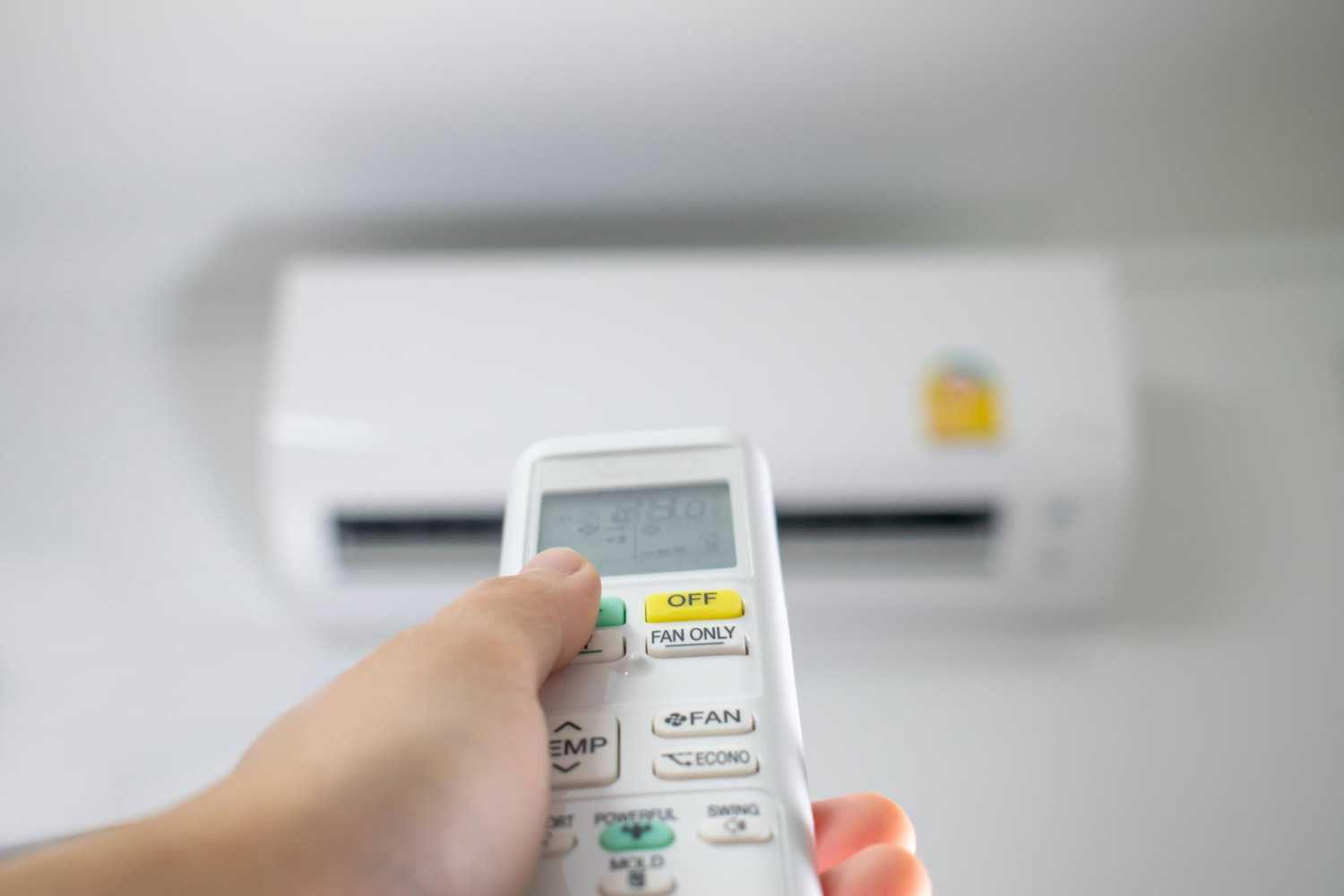
Your thermostat controls when and how your air conditioner cools your home. If it’s switched to the wrong mode or the temperature setting is too high, it can cause warm air to come through the vents. It’s surprisingly common to find a thermostat set to “fan” instead of “cool,” especially after a change in seasons or a power outage.

A few quick things to check:
– Make sure the thermostat is set to “cool” mode
– Lower the temperature setting by a few degrees to test for response
– If the screen is blank, replace the batteries

Sometimes, the thermostat itself may no longer work properly. If the screen is glitchy or the system doesn’t respond to changes, it may be time to have it inspected.

2. Refrigerant Leaks

Refrigerant is the substance in your AC system that absorbs heat from inside your home and helps release it outside. When refrigerant levels drop due to a leak, the air conditioner can’t complete this process well, which causes the system to blow warmer air. Visual signs may include ice on the refrigerant lines or a hissing sound near the unit.

Refrigerant issues are not something to handle without proper tools. Our technicians can check for leaks, seal them if necessary, and recharge the system with the correct amount of refrigerant. Avoiding this repair can lead to serious damage, like a burned-out compressor.

3. Dirty or Clogged Air Filters

When airflow is reduced, your AC system works harder and begins to perform poorly. One of the most common reasons for this is a clogged air filter. Filters collect dust, dirt, construction debris, and pet hair. If not replaced regularly, airflow becomes restricted, and your air conditioner may overheat and blow warm air.

You can check your filter by removing it and holding it up to the light. If you can’t see through it, it’s time for a new one. For most homes, replacing the filter every 1 to 3 months works well. If pets are present or there’s heavy use, you may need to replace it more often.

4. Electrical Issues

Your AC depends on a series of electrical components working together, including fuses, wires, and circuit breakers. If power is disrupted to any part of the system, it can stop cooling. In some cases, you may hear the inside fan running but notice the outdoor unit is quiet or not turning on.

A tripped breaker or worn voltage connection could be the cause. Electrical repairs involve high voltage and specific diagnostic equipment, so it’s best to let our professionals find and fix the problem safely.

5. Blocked Condenser Unit

Your outdoor condenser needs open airflow to release heat from your home. When leaves, dirt, or grass clippings surround the unit or clog the coil fins, that heat can’t escape properly, and cooling suffers.

To maintain your condenser:
– Keep at least two feet of open space around the unit
– Gently remove loose debris or weeds from the area
– Avoid setting objects on top of the unit

If the unit still struggles after clearing it, there may be damage inside. Our technicians can inspect the condenser fan and coils for more hidden issues.

Steps To Troubleshoot And Resolve The Issue

Sometimes, solving the problem before it gets worse can save time and cost. If your AC is blowing warm air, there are a few safe steps you can take before calling for help, especially when dealing with basic settings or blocked airflow.

1. Check Thermostat and Power Supply

Begin with the thermostat. Make sure it’s set to “cool” and that the temperature is a few degrees below the room temperature. If the system doesn’t start after a few minutes, check the batteries in the thermostat. Weak or dead batteries can stop communication between the thermostat and the system.

Next, open your electrical panel and check the circuit breakers. If you see one has tripped, switch it fully off and then back on. If it trips again quickly, leave it off and schedule an inspection as soon as possible.

2. Inspect and Replace Filters

Dirty air filters are one of the most common causes of cooling trouble. If the filter hasn’t been checked in more than a month, it’s time. Pull it out and hold it up to the light. If light doesn’t pass through or it looks full of debris, replace it.

Choose a filter that fits your system. Once replaced, run the AC for 10 to 15 minutes and monitor the airflow and temperature changes. If there’s no improvement, more issues could be present.

3. Inspect Outdoor Unit

Head outside and look at your condenser unit. Remove leaves, branches, or items blocking the ventilation. You can gently rinse the exterior of the unit with a hose from a safe distance, but avoid using a pressure sprayer.

Then turn your system back on and listen. If the fan isn’t spinning or you hear loud or unusual sounds, stop the system and contact our professionals for an evaluation.

4. When to Call a Professional

If you’ve checked the thermostat, changed the filter, and cleared the condenser with no improvement, it’s time to bring in help. Our professionals are trained to handle the deeper issues affecting cooling.

Call for service if you notice:
– Ice or frost on refrigerant lines
– Warm air after recent refrigerant work
– Fuses blowing repeatedly or breaker trips
– Strange odors or loud noises from the system

Waiting too long on these repairs can result in costly components breaking down further. A timely fix saves money and restores comfort faster.

Preventative Maintenance Tips to Avoid Warm Air Blowing in Summer

Working to keep your AC in solid condition means fewer breakdowns when it matters most. Maintenance doesn’t take long and often avoids bigger problems later.

Practice these habits to keep things cool:

– Stick to a regular maintenance schedule. Don’t wait for signs of trouble before calling for a check-up.
– Get your inspection in Phenix City before summer hits hard. Late spring is an ideal time to book service.
– Ask about professional tune-ups from our technicians. We detail every part of the AC, clean critical areas, and test for signs of wear or parts needing replacement.

Keeping the system checked up makes sure it works when you need it. It also means longer equipment life and better cooling without spikes in your energy bills.

Ensuring Cool Comfort in Phenix City

Warm air coming out of your AC during summer in Phenix City isn’t just inconvenient, it’s usually a sign something needs fixing. A loose connection, blocked airflow, or refrigerant leak can all interrupt comfort. Even more so, ignoring these signs can lead to costly damage.

When your AC stops bringing cool air, a focused and immediate response is the best approach. Whether it’s changing a clogged filter or getting an experienced review of deeper faults, fast action prevents bigger headaches.

Our professionals know what to look for and how to repair issues that stop your AC from performing. Whether you’re dealing with electrical interruptions or clogged components, keeping your system professionally maintained can mean a smoother, cooler summer season and fewer surprises.

If you need a trusted air conditioner contractor in Phenix Cityto inspect and repair your system and ensure lasting cool comfort, Priority Heating & Air is ready to help. For a quick estimate or to book a service visit, please contact ustoday.

How To Troubleshoot AC Remote Control Failures In Phenix City Homes

When your AC remote control stops working, it can quickly go from a minor annoyance to a major frustration. On a hot summer day in Phenix City, the last thing you want is an unresponsive remote when your home starts heating up. Many homeowners assume the issue is with the AC unit itself, but in a lot of cases, the remote is the real problem. Whether it is not turning on, failing to send signals, or responding slowly, remote control troubles can directly affect your comfort level at home.

Learning how to spot and sort out these issues can help you regain control over your cooling system without wasting time. Instead of replacing your system or waiting too long to take action, knowing what might be going wrong can save both stress and time. The good news is that many AC remote problems can be narrowed down quickly through a few simple steps. Below are the most common things to watch for when your AC remote starts giving you trouble.

Common Issues With AC Remote Controls

Before anything else, it helps to check for the most frequent causes of a remote control breakdown. A surprising number of AC remote problems come from things that do not require tools or expert knowledge to detect. Here are three of the top problems that may be blocking your AC remote from working the way it should:

1. Dead or Low Batteries

Dead batteries are one of the first things to check when your remote suddenly stops working. Over time, batteries lose strength and may not provide enough power to send a signal to the AC unit. If your remote does not light up when you press buttons or shows faded display text, the batteries may need replacing.

– Remove the battery cover from the back of your remote.
– Take out the old batteries and check for signs of corrosion or leaks.
– Replace with new batteries, making sure they are inserted in the correct direction.
– Test the remote again to see if it now communicates with your AC unit.

2. Sensor Obstruction

For your remote to communicate with the AC unit, it uses an infrared signal. If that signal is blocked, even slightly, your commands may not go through. In some Phenix City homes, furniture, curtains, or even misplaced items like laundry baskets can block the path between the remote and the receiver.

– Stand within a direct line of sight to the indoor AC unit.
– Make sure nothing is covering or blocking the receiver on the unit.
– Avoid using the remote through glass doors or from very far distances.
– Try pointing the remote directly at the receiver without tilting it upward or downward.

3. Remote Control Damage

Physical damage or water exposure can cause major issues. If your remote has been dropped on a hard surface or exposed to moisture, something inside may no longer function properly. A family in Central Phenix City once found their toddler had spilled juice on their remote, leading to sticky buttons and no response from the unit afterward.

Look for signs like:
– Cracked casing
– Buttons that stick or will not bounce back after pressing
– Past evidence of water spills or exposure

If any of these issues are present, the remote may need professional inspection or replacement. Up next, we will cover the basic troubleshooting steps to figure out whether the problem lies with the remote or something else.

Basic Troubleshooting Steps

If none of the obvious causes apply, it is time to go a little deeper. A few more steps can help determine if the issue can be resolved at home or if it is something that needs expert attention. Try these basic troubleshooting tasks before scheduling a visit.

1. Reset the remote

Sometimes, resetting the remote can clear up internal glitches. Just like resetting a phone or a computer, this can fix unresponsive behavior or frozen screens.

– Remove the batteries from the remote.
– Press and hold any button for 5 to 10 seconds to drain remaining power.
– Let the remote sit without batteries for about a minute.
– Put the batteries back in and test it again to see if it responds.

2. Check the AC unit’s receiver

If the remote is working but the AC is not responding, the fault could be with the receiver on the unit itself. Dirt, dust buildup, or minor electrical malfunctions may cause the receiver to ignore commands.

– Clean the unit’s sensor gently with a soft, dry cloth.
– Make sure the indoor unit’s front panel is closed securely.
– Listen for a beep or light indicator when pressing buttons on the remote.
– If there is no response from the unit after multiple attempts, request a service check.

These steps only take a few minutes, but they can help rule out the most common faults that do not require new parts. If your remote starts working again, great. If not, the next step is contacting trained technicians who can dig deeper into the system.

When To Call For Professional Support

There are times when remote problems go beyond what basic troubleshooting can uncover. If your remote still will not work after trying everything listed above, it could be pointing to a more serious hardware or communication issue.

Some signs it is time to bring in our professionals include:
– The remote works on another unit but not yours.
– The receiver on the AC unit shows obvious signs of damage.
– You have had repeated issues with AC control, even after resetting or replacing remotes.

Our technicians use diagnostic tools to pinpoint wiring issues, sensor malfunctions, or internal logic board problems within the AC system. These are not items that can be accurately tested or repaired at home. Hiring trained help ensures that no additional damage is caused and that your cooling system is restored properly.

Tips To Keep Your AC Remote Working Smoothly

Preventing future problems with your AC remote does not take much effort. With a few quick habits, you can help the remote last longer and keep your home cool without interruptions.

Follow these care tips:

– Store the remote on a stable surface like a table or wall mount, rather than on the sofa or bed.
– Avoid exposing the remote to extremely hot or humid areas, especially near open windows or kitchens.
– Keep it clean by wiping it with a soft cloth every few weeks. Avoid cleaners that leave residue.
– Check the batteries every few months, and replace them at the first sign of fading power.
– Keep liquids away from the remote, particularly in rooms where kids are playing or snacks are often nearby.

Making these small adjustments can reduce the chances of physical or signal-related failures. It is one of the quickest ways to avoid unexpected frustration during peak AC usage in hot Phenix City summers.

Reliable Cooling Starts With Quick Action

Keeping your AC remote in working order might seem like a small thing, but it can have a big impact on your comfort during late spring and summer in Phenix City. Troubleshooting right away helps restore control faster and prevents deeper system issues from going unnoticed.

Skilled help is available when quick fixes come up short. If the remote is only a symptom of a larger problem, trained support will get to the root of it quickly and safely. Staying on top of small malfunctions like this helps keep your AC running smoothly when you need it most.

Living with an unresponsive AC remote can disrupt your comfort in Phenix City, which is why Priority Heating & Air is here to help turn a minor nuisance into a quick fix. When basic troubleshooting falls short, expert support can pinpoint the issue accurately. Learn more about AC repair in Phenix Cityto see how our team can restore your cooling system quickly and efficiently. For a quick estimate or to book a service visit, please contact us today.