
Professional New AC Unit Installation Services: Expert Guidance on Cost, Efficiency, and Replacement Options
Installing a new air conditioning unit is a significant investment. At Priority Indoor Comfort, we provide professional guidance on costs, efficiency ratings, and replacement options for new AC systems. Homeowners often face challenges when selecting a system, estimating installation costs, and confirming energy efficiency. We address these concerns to equip you with the information required to make informed decisions, including the role of professional installation, benefits of energy-efficient equipment, cost drivers, and how to select qualified installation services for your home.
Expert Guidance on Cost Considerations
Understanding installation costs is essential when planning a new AC. Prices vary depending on the chosen system and the complexity of the installation. Homeowners should also factor in permits and inspections. A clear estimate allows decisions that align with your household budget.
When requesting estimates, ask contractors for itemized bids that separate equipment, labor, materials, disposal of the old unit, and permit fees. An itemized bid helps you compare proposals fairly and identify where you might reduce costs (for example, by retaining existing ductwork if it is in good condition). Also confirm whether quoted prices include post-installation testing, refrigerant charging, and startup support; these are standard parts of a complete installation but sometimes listed as add-ons.
Efficiency Ratings
Efficiency ratings are a primary selection criterion. Higher Seasonal Energy Efficiency Ratio (SEER) values indicate improved energy performance and typically result in lower utility bills over time. Energy-efficient units also support environmental objectives. Modern features can further improve convenience and operating costs, making higher-efficiency units a sound long-term choice.
Beyond the headline SEER number, consider complementary features that affect real-world efficiency: variable-speed compressors that modulate output, smart thermostat compatibility for optimized scheduling, and multi-stage cooling that balances comfort and cost. These features can change how a unit operates day to day and can improve annual performance beyond what a single rating suggests. When evaluating models, request manufacturer documentation and recommended usage scenarios so you can match features to your household patterns.
Replacement Options Available
Replacement options include central air systems, ductless mini-splits, and window units. Each option suits different layouts and cooling requirements. A professional assessment will identify the system best matched to your home’s layout and needs.
Typical decision factors include existing ductwork condition, the number of zones you want to control independently, and whether you prefer a visible outdoor compressor. Ductless mini-splits are often chosen for room additions or homes without ducts because they require minimal structural changes. Central systems remain the most common for whole-house solutions where ducts are present. Window units can be an economical short-term or localized solution, but they generally offer lower efficiency and fewer features compared with permanent systems.
Importance of Professional Installation
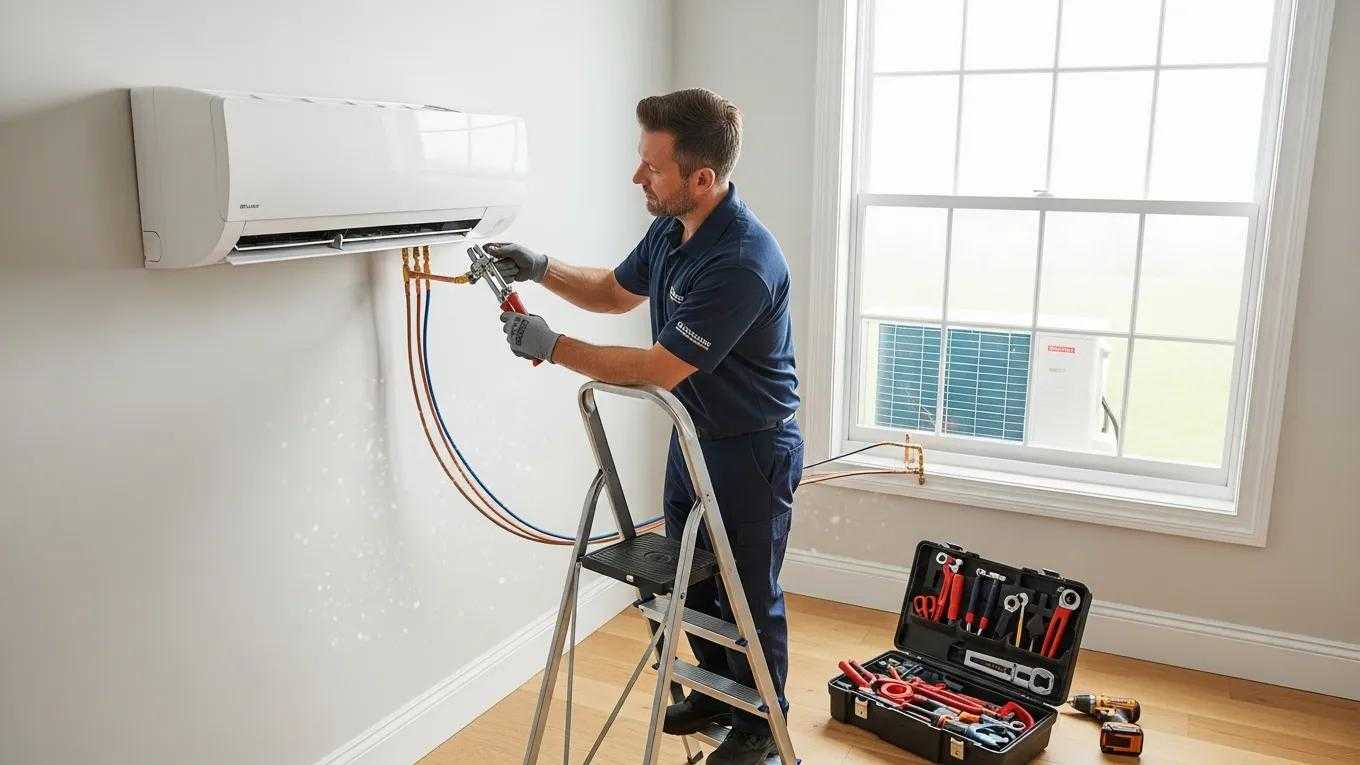
Professional installation ensures correct setup, optimal performance, and extended equipment life. At Priority Indoor Comfort, our qualified technicians install units to manufacturer specifications, reducing the risk of faults and ensuring compliance with local codes and standards.
Licensed professionals perform critical checks during installation that are difficult for homeowners to verify alone: accurate load calculations, correct refrigerant charge, secure electrical connections, and proper airflow balancing. These steps affect efficiency, warranty validity, and long-term durability. We also advise on related home improvements—such as sealing duct leaks, adding insulation, or improving attic ventilation—that amplify the benefits of a new unit and help avoid premature system stress.
What Are the Key Benefits of Installing a New Energy-Efficient AC Unit?

Installing an energy-efficient AC unit delivers measurable benefits for your home. Key advantages include:
- Cost Savings: Energy-efficient units lead to lower energy bills, providing long-term financial relief.
- Environmental Impact: Reduced energy consumption contributes to a smaller carbon footprint, promoting sustainability.
- Improved Comfort: Enhanced cooling performance and better indoor air quality create a more comfortable living space.
For homeowners in Columbus, GA, and Phenix City, AL, Priority Indoor Comfort provides professional HVAC services, including the installation of energy-efficient AC units.
As an example of practical benefit, improved humidity control from a properly sized and installed unit can make indoor spaces feel cooler at higher thermostat settings, which reduces run time and energy use. Over time, reduced stress on the system also lowers the frequency of repairs and can extend the useful life of the equipment.
How Does an Energy-Efficient AC Reduce Your Home Energy Bills?
Energy-efficient units use less electricity to deliver equivalent cooling. Higher SEER ratings correspond to reduced energy use and lower utility costs. Integrated controls and smart features further optimize operation and reduce consumption, producing measurable monthly savings.
Operational strategies also influence savings: setting a consistent, programmable thermostat schedule, using fan-only cycles when appropriate, and combining AC use with ceiling fans all help the system run less frequently. Regular maintenance ensures the system continues to operate near its rated efficiency by preserving airflow and refrigerant charge.
What Environmental Advantages Do Modern AC Units Offer?
Modern AC units offer environmental benefits. Many carry ENERGY STAR certification, meeting standards set by the U.S. Environmental Protection Agency. Newer refrigerants also reduce environmental impact compared with older alternatives. Choosing an updated system lowers energy use and supports sustainability.
In addition to reduced operating emissions, modern systems are often engineered for quieter operation and use materials and designs that simplify recycling and end-of-life disposal. When replacing an older unit, ask your installer how they handle refrigerant recovery and disposal of the old equipment to ensure regulatory compliance and minimized environmental harm.
How Much Does Professional Air Conditioner Installation Cost in Columbus, GA and Phenix City, AL?
In Columbus, GA, and Phenix City, AL, professional air conditioner installation costs generally fall within a broad range depending on system type, unit size, and any additional installation requirements. Understanding this range helps you plan your budget effectively.
Local market factors can influence costs: availability of licensed technicians, seasonal demand, and whether specialized permits are required. When scheduling, consider obtaining estimates at different times of year; installers may offer more competitive pricing outside peak cooling season. Additionally, confirm what warranty and post-installation service are included so you can compare long-term value, not just initial price.
What Factors Influence the Total AC Installation Price?
Several factors affect total installation cost, including:
- Type and Size of the AC Unit: Larger units or more advanced systems generally cost more.
- Labor Costs: The complexity of the installation can affect labor expenses.
- Ductwork Requirements: Homes needing new ductwork will incur additional costs.
Accounting for these elements helps you prepare financially for a new AC installation.
Additional cost drivers may include accessibility (e.g., buildings with limited outdoor space or difficult roof access), required electrical upgrades, zoning the system for separate temperature control, and any structural work needed to accommodate equipment. Discuss these items with your contractor and request photos or diagrams in the bid so you clearly understand what work will be done.
Are There Financing and Warranty Options Available for New AC Installations?
Many HVAC providers, including Priority Indoor Comfort, offer financing plans to spread installation costs. Comprehensive warranties commonly cover parts and labor, providing you with added protection. Reviewing these options can make the investment more manageable.
When evaluating financing, compare interest rates, term lengths, and prepayment penalties. For warranties, confirm required maintenance activities (such as annual inspections) to maintain coverage and verify which components are covered versus those warrantied by the manufacturer. Some providers also offer service agreements or maintenance plans that bundle annual checks with priority scheduling and discounted repairs.
When Should Homeowners Consider Air Conditioner Replacement Services?
Consider replacement when you experience frequent breakdowns, rising energy bills, or uneven cooling. Systems older than about 10 years should be evaluated for replacement. Addressing these indicators promptly can prevent greater discomfort and higher expenses.
Replacement can also be timely when a major component fails (such as a compressor) and the combined repair cost approaches a significant portion of replacement cost. In such cases, a replacement often delivers better value, improved efficiency, and modern features that reduce future costs and improve comfort.
What Are the Common Signs Indicating Your AC Needs Replacement?
Common signs that an AC may require replacement include:
- Frequent Repairs: If the unit requires constant repairs, it may be more cost-effective to replace it.
- Rising Energy Costs: An increase in energy bills can signal inefficiency in the system.
- Inconsistent Cooling: If certain areas of the home are not cooling properly, it may indicate a failing unit.
Recognizing these signs enables you to act early and maintain comfort.
Before deciding, obtain a professional diagnosis that clarifies whether repairs, system balancing, or partial upgrades (for example, replacing an aging outdoor unit while retaining indoor components) are viable. A thorough evaluation that includes airflow testing and refrigerant level checks will identify the most cost-effective path forward.
How Does Replacement Improve Home Comfort and Efficiency?
Replacing an aging AC improves cooling performance and indoor air quality. Modern units operate more efficiently, reducing energy use and lowering utility bills. These benefits make replacement a practical option for many homeowners.
New installations often include better filtration options and humidity control, which reduce allergens and create a more consistent indoor environment. In tandem with simple home improvements—sealing ductwork, adding insulation, and shading windows—replacement can transform comfort levels while reducing operational expenses.
What Is the Step-by-Step Process for Central Air Installation by Licensed Technicians?
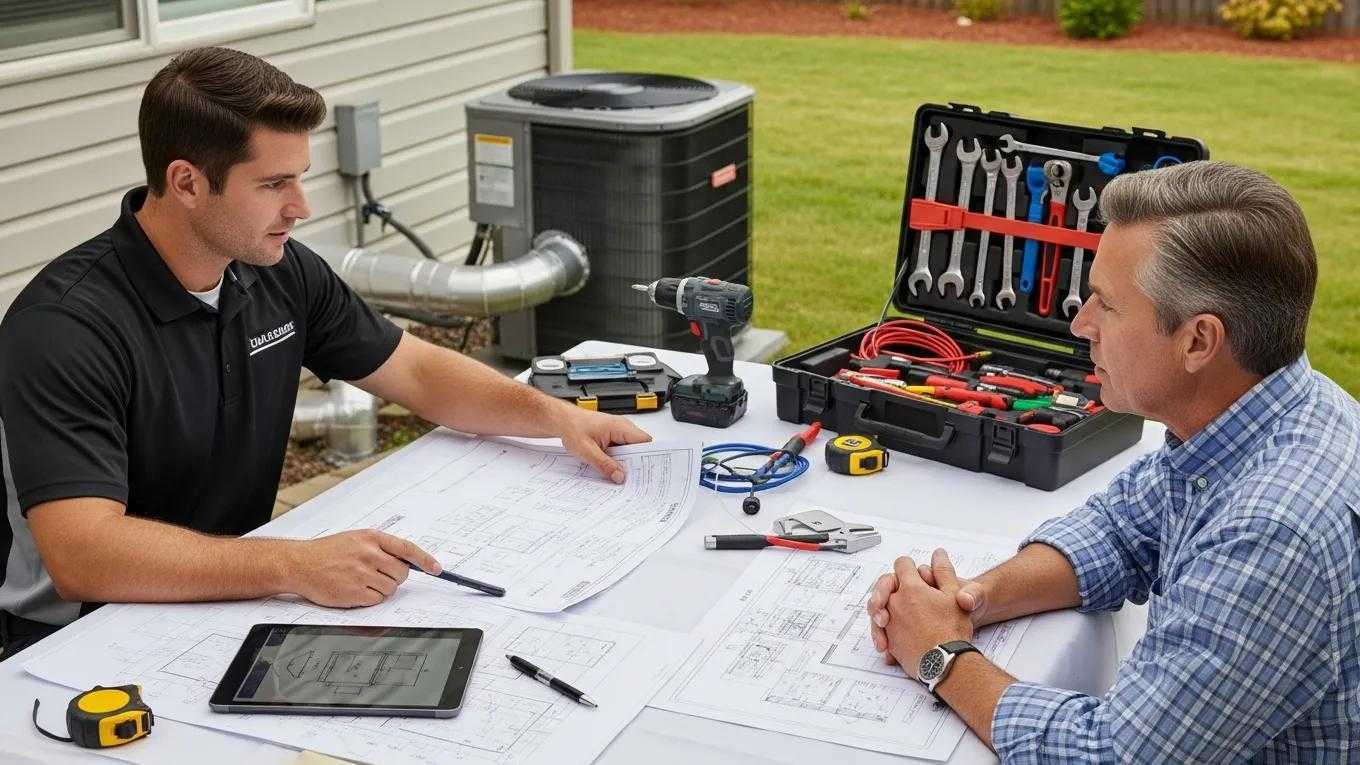
Central air installation typically follows these steps:
- Initial Consultation and Assessment: Our technicians evaluate your home and recommend suitable systems.
- Installation: The new unit is installed, including any necessary ductwork.
- Testing: After installation, the system is tested to ensure proper functionality.
This structured approach helps ensure the installation is completed efficiently and functions correctly.
In practice, the installation sequence also includes preparatory tasks: confirming permit requirements, removing the old equipment safely, protecting flooring and landscaping during work, and staging equipment. During installation, our technicians perform essential technical tasks such as sizing and matching indoor and outdoor components, brazing refrigerant lines correctly, and verifying that electrical service and breakers meet code. Final commissioning checks commonly include measuring refrigerant charge, verifying airflow at vents, calibrating thermostats, and demonstrating system operation with you.
How Do Licensed HVAC Technicians Ensure Proper AC System Integration?
Our licensed technicians ensure the system integrates with your home by conducting thorough assessments to determine optimal placement and by providing recommendations based on your home’s layout. Post-installation support and scheduled maintenance are also essential for sustained performance.
Technicians typically use recognized load-calculation methods to size equipment to your home’s specific heating and cooling requirements. They also assess duct layout and condition, and recommend sealing, insulation, or balancing where needed. Proper integration reduces short cycling, improves humidity control, and maintains efficiency. Ask us if we perform formal load calculations and whether we can provide documentation of the results.
What Should You Expect During the Installation Timeline?
Installation time varies with project complexity, typically ranging from a few hours to a full day. Proper preparation and a pre-installation inspection can streamline the process and reduce on-site delays.
Simple replacements where the new equipment matches the old can often be completed in a single workday. More complex projects—such as those requiring duct modifications, electrical service upgrades, or structural changes—may require multiple visits. We provide a clear schedule, outline of tasks for each day, and any homeowner preparations (for example, clearing access to attic spaces or turning off power during electrical tie-ins).
How to Choose the Best AC Installation Services for Your Home?
Choose experienced, licensed technicians who provide comprehensive services and clear warranty terms. Verify credentials, review customer feedback, and request references to make an informed selection.
Good questions to ask potential contractors include: Do you carry liability and worker’s compensation insurance? Can you provide recent references from similar projects? Do you perform load calculations and provide a written proposal? Is there a service agreement available for post-installation maintenance? Documenting answers will help you compare offers and select a provider that aligns with expected service quality and accountability.
Why Is Local Expertise Important for AC Installation in Columbus, GA and Phenix City, AL?
Local expertise matters because technicians understand regional climate conditions and local regulations. That knowledge allows them to propose solutions tailored to area-specific needs and to ensure installations comply with local codes.
Local contractors are also familiar with typical construction practices in the area and can often expedite permit approvals or recommend specific strategies for humidity control and equipment placement that work well in local building types. Choosing a provider with a local service presence simplifies scheduling seasonal maintenance and warranty service.
What Credentials and Certifications Should You Look for in HVAC Technicians?
Ensure technicians are licensed and certified. Ongoing training and positive customer reviews indicate a commitment to quality service. These credentials support installations performed to industry standards.
Beyond licensing, technicians who participate in manufacturer training programs or hold industry certifications demonstrate familiarity with modern equipment and proper installation techniques. Request proof of credentials and inquire about the installer’s experience with the specific brand or model you plan to purchase.
What Maintenance Tips Should You Follow After Installing a New AC Unit?
To preserve longevity and efficiency, follow these maintenance practices:
- Regular Filter Changes: Changing filters every 1-3 months helps maintain airflow and efficiency.
- Cleaning: Keeping the outdoor unit clean prevents debris buildup that can hinder performance.
- Professional Inspections: Scheduling annual inspections can identify potential issues before they become major problems.
Adhering to these practices helps extend your unit’s service life.
Additional homeowner care includes keeping outdoor clearances free of vegetation, ensuring drain lines remain unobstructed to prevent condensate backups, and keeping registers unobstructed inside the home. Maintain a simple log of service dates and any unusual system behavior so technicians have a concise history when performing diagnostics.
How Does Regular Maintenance Extend Your AC Unit’s Lifespan?
Regular maintenance prolongs AC service life. Inspections detect issues early, and cleaning components reduces wear. Routine upkeep lowers the likelihood of costly repairs and maintains efficient operation.
During preventive maintenance visits, technicians typically inspect electrical components, measure system pressures and temperatures, lubricate moving parts as required, and verify thermostat operation. Addressing minor issues early—such as tightening electrical connections or replacing aged belts—prevents escalation into major failures that shorten system life and increase expense.
What Are Simple Steps to Keep Your AC Running Efficiently?
Simple homeowner actions can improve AC efficiency:
- Monitor Thermostat Settings: Keeping the thermostat at a consistent temperature can reduce energy consumption.
- Seal Ducts: Ensuring that ducts are sealed properly prevents cool air from escaping.
- Use Ceiling Fans: Ceiling fans can help circulate cool air, allowing the thermostat to be set a few degrees higher.
Applying these strategies improves efficiency and enhances comfort.
Other practical steps include shading outdoor units from direct sun where feasible, using programmable or smart thermostats to reduce run time when the home is unoccupied, and inspecting attic and wall insulation levels. These actions reduce peak load and enable the AC to cycle less frequently.
How Do Energy-Efficient AC Units Compare: Models, Features, and Energy Savings?
Energy-efficient ACs vary by model, features, and potential savings. High SEER ratings indicate superior efficiency, while features such as programmable thermostats and variable-speed compressors further improve performance. Evaluate these attributes to select the model that best fits your needs.
When comparing models, consider lifecycle costs: initial price, expected operating expense, warranty coverage, and anticipated maintenance. A higher-efficiency model may cost more upfront but deliver lower average monthly bills and reduced environmental impact over its service life. Ask your installer to provide estimated comparative operating costs under typical local conditions to inform your decision.
What Are the Top Energy Efficiency Ratings to Consider?
When evaluating units, consider these efficiency ratings:
- SEER (Seasonal Energy Efficiency Ratio): Higher SEER ratings indicate better energy efficiency.
- EER (Energy Efficiency Ratio): This rating measures efficiency at peak cooling conditions.
- HSPF (Heating Seasonal Performance Factor): Important for heat pumps, indicating heating efficiency.
Understanding these ratings enables informed purchasing decisions.
Ask for manufacturer literature that explains how ratings were determined and whether the values apply to single-speed, multi-stage, or variable-speed equipment. Real-world savings depend on how the system is used and maintained, so ratings should be one part of a broader comparison.
How Do Different AC Models Impact Your Home’s Cooling Performance?
AC model, size, and features affect cooling performance. Correct sizing is essential: an oversized unit may cool quickly without adequate dehumidification, while an undersized unit may struggle to maintain comfortable temperatures. Consider efficiency ratings and features when choosing a model.
Selecting the right model also means matching airflow characteristics to your home. Some systems are better suited to homes with long duct runs or multiple levels, while others perform best in compact layouts. Discuss return and supply placement, zoning options for different living areas, and any planned home modifications that could change load requirements.
Contact Priority Indoor Comfort for Your New AC Installation
Investing in an energy-efficient AC yields cost savings, improved comfort, and reduced environmental impact. Understanding the installation process and choosing qualified professionals like Priority Indoor Comfort ensures optimal performance and equipment longevity. Reviewing available options lets you make decisions aligned with your needs. Reach out to us today to learn more about our installation services and identify the right AC solution for your home.