

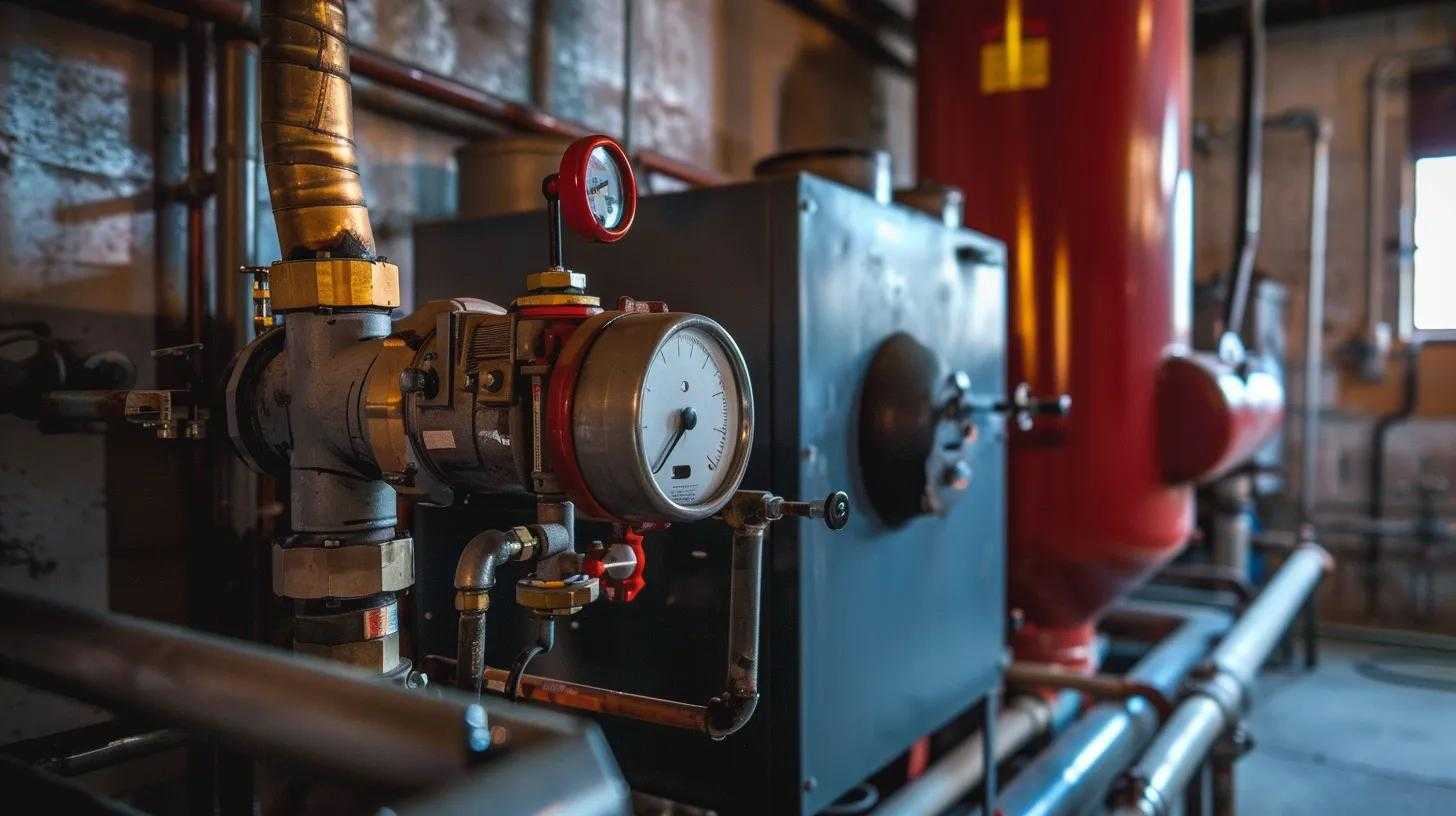
Why Your Furnace Isn’t Heating — Troubleshooting & Repair Solutions
Experiencing a furnace breakdown, especially during colder months, can quickly turn your comfortable home into an uncomfortable and stressful environment. This comprehensive guide is designed to empower you with the knowledge to diagnose and potentially resolve the most common furnace heating issues. We’ll walk you through practical troubleshooting steps, helping you determine whether a problem is a simple DIY fix or requires the expertise of a professional HVAC technician. From basic thermostat adjustments and the critical role of clean air filters to more complex ignition and flame-sensor malfunctions, we cover the spectrum of potential problems. You’ll also discover essential maintenance tips to ensure your heating system operates reliably and efficiently throughout the entire winter season, keeping your family warm and safe.
What Are the Most Common Reasons Your Furnace Is Not Blowing Hot Air?
When your furnace fails to deliver warm air, it’s often due to a handful of common culprits that can be identified and addressed. Catching these issues early not only restores your home’s comfort but can also prevent more extensive and costly repairs down the line, while simultaneously helping to keep your heating bills in check. Understanding these typical causes is the first step toward effective troubleshooting:
- Thermostat Settings: The thermostat acts as the brain of your heating system. If it’s not correctly configured for heating, or if the desired temperature is set below the current room temperature, your furnace simply won’t receive the command to activate. Always begin your troubleshooting by double-checking the mode (ensure it’s on “heat”) and the temperature setting.
- Dirty Air Filters: A severely clogged air filter is one of the most frequent and easily preventable causes of furnace problems. A dirty filter restricts the crucial airflow needed for efficient operation, forcing your furnace to work harder, potentially overheat, or even short-cycle. Regular inspection and timely replacement of your air filters are vital for maintaining system efficiency and longevity.
- Pilot Light Issues: Predominantly found in older gas furnaces, a pilot light that is extinguished or burning inconsistently will prevent the main burners from igniting, thus stopping all heating. This issue often signals a problem with the thermocouple, which is responsible for sensing the pilot flame, or a more serious gas supply interruption.
- Dirty Flame Sensor: Modern furnaces rely on a flame sensor as a critical safety device. If this sensor becomes coated with soot or debris, it may fail to detect the presence of a flame after ignition. When the sensor doesn’t confirm a flame, the furnace’s safety protocols will shut down the gas supply, leading to repeated startup attempts followed by shutdowns, often referred to as “short cycling.”
| Issue | Description | Solution |
|---|---|---|
| Thermostat Settings | Incorrect mode or temperature prevents the furnace from starting | Set thermostat to “heat” and raise the temperature above current room temp |
| Dirty Air Filters | Clogged filters restrict airflow and reduce heating performance | Check and replace filters on the manufacturer’s recommended schedule |
| Pilot Light Issues | Pilot light may be out or burning inconsistently | Confirm gas is on and follow the manual to relight, or call a pro |
| Dirty Flame Sensor | Sensor can’t detect flame and shuts the furnace down | Clean the flame sensor or replace it if it’s worn |
Local homeowners in Phenix City and throughout Georgia can contact Priority Indoor Comfort for comprehensive furnace inspections, expert repairs, and routine maintenance. Our certified technicians handle everything from minor adjustments to major component replacements, ensuring your system runs smoothly and efficiently, providing consistent comfort all season long.
How Do Thermostat Issues Cause Furnace Heating Problems?
The thermostat serves as the central command unit for your entire heating system, dictating when and how your furnace operates. A range of issues can arise from the thermostat itself, preventing your furnace from kicking on. If it’s set to the wrong mode (e.g., “cool” instead of “heat”), if the desired temperature is lower than the ambient room temperature, or if its batteries are dead, the furnace simply won’t receive the necessary signal to activate. Always start by verifying that the thermostat is correctly set to “heat” mode, that the temperature is adjusted higher than the current room temperature, and that any battery-powered units have fresh batteries. Beyond these basic checks, if your thermostat still fails to trigger the furnace, the problem could escalate to an electrical malfunction within the thermostat itself, faulty wiring connecting it to the furnace, or even a communication error in smart thermostat systems, all of which typically require professional diagnosis.
Why Does a Dirty Air Filter Prevent Your Furnace from Heating Properly?
Air filters are designed to capture dust, pet dander, pollen, and other airborne debris, ensuring that clean air circulates through your heating system and home. However, when a filter becomes heavily clogged with these contaminants, it severely restricts the crucial airflow that your furnace needs to operate efficiently. This reduced airflow forces the furnace’s blower motor to work harder, leading to increased energy consumption and potential overheating. An overheated furnace will often trigger its safety limit switch, causing it to cycle off prematurely (short cycling) or struggle to produce and distribute warm air effectively. For most residential homes, it’s recommended to check and replace your air filters every 1 to 3 months. Homes with pets, allergy sufferers, or higher dust levels may require more frequent filter changes to maintain optimal system performance and indoor air quality, preventing strain on your furnace and ensuring consistent heating.
How Can You Troubleshoot Furnace Ignition and Pilot Light Problems?
Ignition and pilot light issues are particularly common in gas furnaces and are often among the most frustrating problems for homeowners, as they directly prevent the furnace from generating heat. Fortunately, many of these issues can be identified and sometimes resolved with careful inspection and adherence to safety guidelines. The two primary culprits in this category are an extinguished or malfunctioning pilot light (in older systems) and a failed electronic ignitor (in newer, more efficient models).
- Checking Pilot Light: If your furnace is an older model that relies on a standing pilot light, the first step is to visually confirm if it’s lit. Typically, you can observe the pilot flame through a small viewing window or access panel. If the pilot light is out, ensure that the gas supply valve to the furnace is in the “on” position. Then, carefully follow the manufacturer’s specific relighting instructions provided in your furnace manual. If the pilot light ignites but repeatedly fails to stay lit, this is a strong indicator of a more complex issue, such as a failing thermocouple (which senses the pilot flame and keeps the gas valve open) or a problem with the gas control valve itself. Do not ignore a pilot light that won’t stay lit, as it can be a safety concern.
- Identifying Ignitor Failures: Newer, high-efficiency furnaces utilize an electronic ignitor instead of a standing pilot light. When the thermostat calls for heat, this ignitor heats up to a glowing temperature or produces a spark to ignite the gas. If your furnace attempts to start but you don’t see a glow or hear a clicking sound followed by ignition, the ignitor may be faulty. Visually inspect the ignitor for any signs of visible damage, such as cracks, discoloration, or wear. A damaged ignitor will prevent the gas from igniting. While replacing an ignitor can be a relatively straightforward repair, it involves working with electrical components and gas, making it a task often best left to a qualified HVAC technician to ensure safety and proper installation.
What Steps Identify Pilot Light and Ignitor Failures?
Systematic checks are crucial when diagnosing ignition problems. Follow these detailed steps to safely identify issues with your furnace’s pilot light or electronic ignitor:
- **Inspect the Pilot Light (for older furnaces):** Carefully locate the pilot light assembly, usually near the main burner. Look for a small, steady blue flame. If it’s out, ensure the gas supply valve to the furnace is open. Consult your furnace’s owner’s manual for precise, safe relighting instructions. Never attempt to relight a pilot light if you smell gas; evacuate the premises and call emergency services. If the pilot light ignites but won’t stay lit, it often points to a faulty thermocouple, which is a safety device that senses the flame and keeps the gas valve open.
- **Examine the Electronic Ignitor (for newer furnaces):** If your furnace uses an electronic ignitor, observe it during a heating cycle. You should either see it glow bright orange-red (hot surface ignitor) or hear a rapid clicking sound as it sparks (intermittent pilot or direct spark ignition). If there’s no glow or spark, or if the ignitor appears visibly cracked, chipped, or corroded, it’s likely failed. A visual inspection can often reveal physical damage that prevents it from functioning correctly.
- **Consider Replacement or Professional Help:** If the ignitor appears damaged, or if you’ve followed relighting instructions for a pilot light without success, the component likely needs replacement. While some homeowners with mechanical aptitude might attempt an ignitor swap, it’s generally recommended to call a certified HVAC technician. They can ensure the correct OEM (Original Equipment Manufacturer) or equivalent part is used, and that the installation is performed safely and correctly, preventing further damage or safety hazards.
How Does a Dirty Flame Sensor Affect Furnace Heating?
The flame sensor is a vital safety component in modern gas furnaces, designed to confirm the presence of a flame after the gas valve opens and ignition occurs. Its primary role is to prevent the continuous flow of unburnt gas into your home, which would create a dangerous explosion hazard. When the flame sensor becomes coated with soot, carbon, or other debris from the combustion process, its ability to detect the electrical current generated by the flame is compromised. If the sensor cannot “see” the flame within a few seconds of ignition, the furnace’s control board will interpret this as a failure to ignite and will immediately shut down the gas supply as a safety measure. This often results in the furnace attempting to start multiple times, igniting briefly, and then shutting off—a process known as “short cycling.” Cleaning the flame sensor gently with a soft cloth or a very fine-grit sandpaper (like 1000-grit) can often restore its functionality. However, if cleaning doesn’t resolve the issue, or if the sensor is visibly corroded or damaged, it may need replacement by a qualified technician.
When Should You Call a Professional for Furnace Repair in Phenix City and Georgia?
While some minor furnace issues can be safely addressed by a homeowner, there are critical situations where attempting a DIY fix is not only ineffective but potentially dangerous. Knowing when to cease troubleshooting and immediately contact a trained, certified HVAC technician is paramount for your family’s safety and the longevity of your heating equipment. Professional intervention ensures that complex problems are diagnosed accurately and repaired safely, adhering to all local codes and manufacturer specifications.
- Complex Issues: Problems that extend beyond simple thermostat adjustments or filter changes, such as suspected gas leaks, persistent failures to ignite despite basic checks, or any electrical faults within the furnace’s internal components, absolutely require professional diagnosis and repair. These issues often involve specialized tools, diagnostic equipment, and a deep understanding of furnace mechanics and safety systems.
- Safety Concerns: Any situation involving gas lines, the smell of natural gas, potential carbon monoxide risks (indicated by a CO detector alarm or symptoms like headaches/nausea), or significant electrical work within the furnace should be handled exclusively by a certified HVAC technician. These professionals are trained to safely work with high-voltage electricity and combustible fuels, mitigating risks of fire, explosion, or carbon monoxide poisoning. Never attempt to repair gas lines or complex electrical components yourself.
Conclusion
Understanding the common causes of furnace failures is the first step toward faster troubleshooting and a less stressful experience when your heating system falters. By diligently checking thermostat settings, ensuring your air filters are clean and replaced regularly, and promptly addressing any ignition or flame sensor issues, you can often restore heat to your home and potentially avoid costly professional repairs. However, for complex problems involving gas lines, electrical components, or persistent malfunctions, the safest and most effective course of action is always to call a certified HVAC technician. If you’re located in Phenix City or anywhere in the surrounding Georgia area and find yourself in need of expert assistance, Priority Indoor Comfort is ready to diagnose, repair, and maintain your system. Don’t let a cold home linger—schedule your service today to ensure your home remains warm, comfortable, and safe throughout the heating season.