

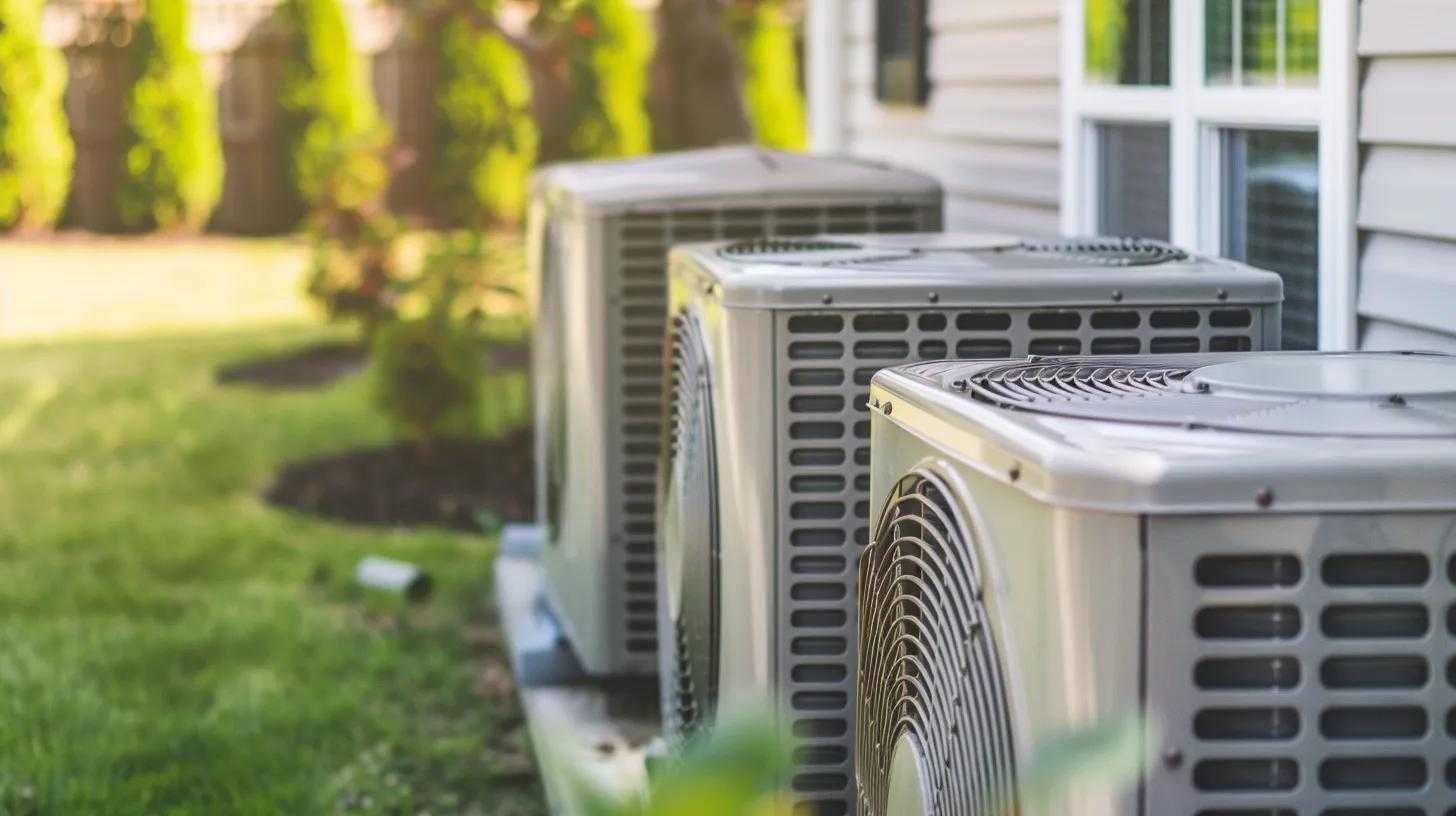
SEER Ratings: A Homeowner’s Guide to Energy Efficiency, Comfort, and Savings
SEER ratings give homeowners a clear tool to lower cooling costs and make their homes more comfortable. This guide walks you through what SEER and SEER2 mean, how seasonal BTUs relate to watt‑hours in real use, and why those numbers matter for your monthly bill, comfort, and the environment. If you live in a hot, humid area and feel overwhelmed by replacement options, this article lays out plain definitions, simple calculations, regional notes for Alabama and Georgia, and a practical plan to pick the right system. You’ll learn how SEER is calculated, what changed with SEER2 testing, what to watch for during the refrigerant transition, and how to estimate payback with a SEER savings calculator. The sections below cover definitions and calculations, efficiency benefits, 2023–2025 SEER2 rules and refrigerant impacts, how to choose the right SEER, maintenance to protect rated efficiency, and step‑by‑step savings and financing guidance.
What Is SEER and How Does It Affect HVAC Energy Efficiency?
SEER (Seasonal Energy Efficiency Ratio) measures a cooling system’s seasonal output in BTUs divided by its total electrical input in watt‑hours. The resulting ratio makes it easy to compare systems: higher SEER means more cooling for each unit of electricity over a season. SEER gives a practical link from equipment specs to expected kWh use, helping homeowners estimate operating costs and compare different technologies. Understanding SEER also points you to other useful metrics—like EER or HSPF—and guides decisions about equipment type and proper sizing.
What Does SEER and SEER2 Mean for Homeowners?
SEER2 is the updated testing method that adjusts the way seasonal cooling efficiency is measured to better match real‑world conditions. Because SEER2 changes test points and corrects some past measurement biases, a unit’s SEER2 label can look lower than its legacy SEER number even though its real‑world performance is as good or better. Knowing this prevents you from assuming a lower label always means worse equipment and encourages a look at supporting specs—like EER at specific temperatures and manufacturer performance curves—when you evaluate real performance.
SEER Ratings: Limitations and Real-World Performance Concerns
Seasonal Energy Efficiency Ratio (SEER) is the federally required metric for rating central air conditioners in the U.S. (SEER 13 replaced SEER 10 as the minimum in January 2006). SEER is a national‑average rating, and field data shows test conditions don’t always match real home installations. That can mean SEER doesn’t fully capture regional issues like peak performance in very hot areas or moisture control in humid climates.
Can SEER Be Saved?
How Is the SEER Rating Calculated Using BTU and Watt-Hours?
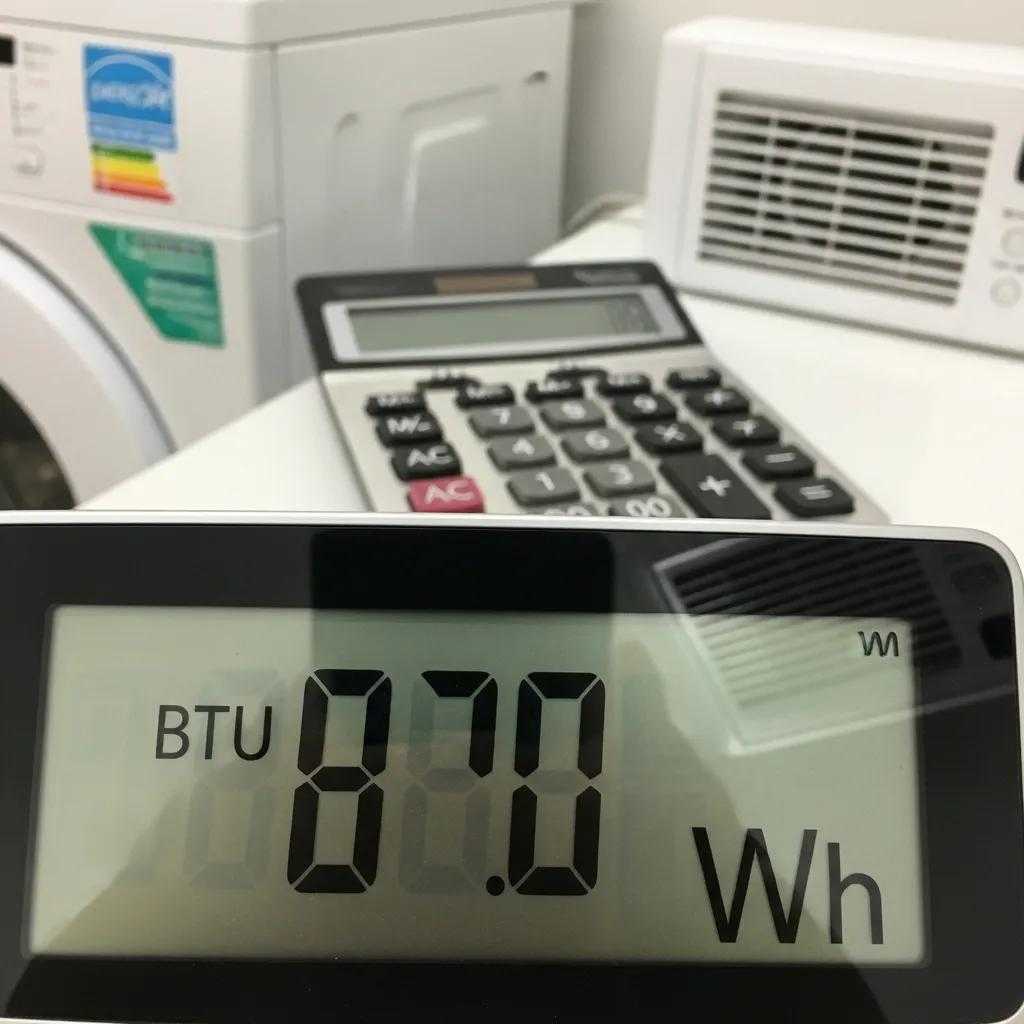
SEER = seasonal BTU removed ÷ total seasonal watt‑hours consumed. That simple formula turns seasonal cooling and energy input into one comparative number. For example, a system that removes 600,000 BTU over a season while using 50,000 watt‑hours has a SEER of 12 (600,000 ÷ 50,000 = 12). Keep in mind the totals behind that formula depend on local climate, your home’s envelope, thermostat settings, and runtime patterns—so SEER is an index for comparison, not a guaranteed bill. Use SEER together with your local usage and electricity rates when estimating operating costs between systems.
Why Is a Good SEER Rating Important for Your Home?
A higher SEER reduces the electricity needed for the same cooling effect, which typically lowers monthly bills, improves comfort through better part‑load performance, and reduces the greenhouse gases tied to electricity generation. More efficient systems run less and cycle smoother, which can lessen wear on compressors, cut noise, and hold temperature more evenly. For resale, a modern high‑efficiency system signals lower operating costs to buyers and aligns with growing energy‑conscious expectations. SEER is the go‑to seasonal metric for comparing central air conditioners and air‑source heat pumps, though checking EER and HSPF gives a fuller picture.
| SEER Band | Approx. Annual kWh Change (example) | Approx. Annual % Savings vs SEER 13 |
|---|---|---|
| SEER 13 (baseline) | 0 kWh (baseline for comparison) | 0% |
| SEER 16 | −900 kWh (approx.) | ~15% |
| SEER 20 | −1,800 kWh (approx.) | ~30% |
This example shows that upgrading from older baseline equipment to higher SEER can cut electricity use materially, though your exact savings will depend on insulation, runtime, and local temperatures. The next section explains how those kWh reductions translate to dollars and when a higher SEER is the best investment.
How Can Higher SEER Ratings Reduce Your Energy Bills?
Higher SEER units reduce kWh per cooling output by improving components—more efficient compressors, better coil design, and smarter fan and motor controls—which lower seasonal energy use. In the field, better components mean fewer on‑off cycles and shorter runtimes to reach set temperatures, which cuts electricity consumption and may reduce peak demand charges under some utility rate plans. The percentage savings you’ll see depends on climate and how much you run your system: hot, humid regions with long cooling seasons get the most value from higher SEER equipment. If your system runs a lot each summer, investing in higher SEER usually shortens the payback period.
Understanding SEER: Efficiency vs. Energy Consumption
It’s a common rule of thumb that a 30% increase in SEER yields a 30% drop in energy use, but that’s only exact under the rating conditions (outdoor 82°F / indoor 80°F). Predicting real energy or demand savings from a single metric can be inaccurate, so use SEER as a guide and validate with realistic operating assumptions.
Limitations of SEER for measuring efficiency, 2002
What Environmental Benefits Come from Choosing High SEER HVAC Systems?
Choosing higher‑SEER equipment cuts the electricity your home uses for cooling, which reduces indirect emissions from power plants and lowers your household carbon footprint—especially where electricity is fossil fuel‑heavy. Lower demand also eases stress on the grid during peak summer hours, improving reliability and helping avoid extra generation. Over a system’s lifetime, those reductions add up, and pairing a high‑efficiency unit with better insulation or a smart thermostat increases the benefit. Utilities and federal programs often tie incentives to these outcomes, making efficient upgrades even more attractive.
SEER & SEER2 Ratings Explained: Boost Comfort and Cut Cooling Costs
SEER2 reflects updated DOE testing and new regional minimums that started taking effect in 2023 for many products, raising baseline expectations for new equipment. The switch to SEER2 means manufacturers updated labels and regional minimums are now stated in SEER2 to keep comparisons consistent. Homeowners in Alabama and Georgia should know that minimum allowable efficiencies for newly sold central systems rose with the national updates, and replacement decisions should reference SEER2 on the label. These regulatory changes also interact with refrigerant policy, which affects available models and service considerations.
| Region | SEER2 Minimum (typical) | Notes / Effective Date |
|---|---|---|
| Alabama (Southern region) | SEER2 14 (approx. state-level baseline) | Effective 2023; consult local AHJ for specific zoning |
| Georgia (Southern region) | SEER2 14 (approx. state-level baseline) | Effective 2023; local utility incentives may encourage higher SEER |
| U.S. Southern Region (general) | SEER2 14–15 (typical band) | National DOE update started 2023, fully implemented by 2025 |
In short: minimum efficiency levels rose under SEER2, and choosing a unit above those minima can improve comfort and long‑term costs. The next subsection looks at the refrigerant changes that come with newer equipment.
What Impact Does the R-410a Refrigerant Phase-Out Have on SEER Ratings and HVAC Systems?
The phase‑out of R‑410A in favor of lower‑GWP refrigerants like R‑454B and R‑32 affects manufacturing, serviceability, and sometimes the SEER2 numbers for new models. Different refrigerants can alter compressor and heat‑transfer behavior, which manufacturers address with component changes and new charge specs—so replacement units often ship with both new refrigerants and revised SEER2 labels. For homeowners, that means older R‑410A systems may become more expensive or harder to service over time, so repair‑vs‑replace decisions should factor refrigerant availability and likely future rules. When replacing equipment, ask whether the new model uses a low‑GWP refrigerant and how that choice affects efficiency and long‑term serviceability.
How Can You Maximize Your HVAC System’s Performance and Longevity?
Keeping your system close to its rated SEER takes routine homeowner upkeep and periodic professional service. Simple actions—changing filters, keeping outdoor coils clear, and sensible thermostat settings—preserve airflow and heat transfer. Professional tune‑ups catch refrigerant issues, dirty coils, and failing parts before they erode efficiency. Fixing common problems—low refrigerant, clogged drains, or failing fans—stops unnecessary runtime and higher bills. Regular maintenance preserves efficiency, extends equipment life, and protects the value of your investment.
This maintenance checklist covers key homeowner tasks and recommended professional intervals.
- Filter care: Replace or clean filters every 1–3 months depending on type and usage.
- Outdoor unit care: Keep the condenser clear of leaves, grass, and debris to maintain coil airflow.
- Seasonal professional tune-up: Schedule an annual or biannual professional inspection to check refrigerant, coils, electrical connections, and airflow.
Consistent application of these practices helps maintain efficiency and reduces the chance of early component failures that force premature replacement.
What Regular Maintenance Tips Help Maintain High SEER Efficiency?
Filters are your first line of defense: replacing or cleaning them regularly keeps airflow steady and prevents dust from insulating coils, which would force longer run times. Keep outdoor condensers free of obstructions and verify electrical connections and capacitor health to reduce motor stress and protect compressor efficiency. During tune‑ups, technicians should confirm refrigerant charge, clean coils, inspect ductwork for leaks, and calibrate thermostats—these steps restore or preserve performance near the original SEER rating. A proactive maintenance plan protects efficiency and helps catch small issues before they become expensive repairs.
When Is It Time to Upgrade Your HVAC System for Better SEER Performance?
Think about replacement when your system shows clear signs: it’s 10–15 years old, has repeated compressor failures, your energy bills keep rising despite maintenance, or refrigerant serviceability is becoming a problem due to phase‑outs. If repair costs near a large fraction of replacement or the system can’t be serviced with available refrigerants, replacing it is often the smarter long‑term choice. Upgrading to a higher‑SEER unit also makes more sense when paired with envelope improvements that boost system effectiveness and shorten payback. Review estimated operating costs and incentives to time upgrades for the best mix of comfort, efficiency, and value.
Priority Indoor Comfort offers maintenance plans and seasonal tune‑ups to keep systems running well and to help homeowners identify the right time to replace equipment, aligning repair‑vs‑replace decisions with efficiency goals and available financing.
How Can You Calculate Your Potential Savings with a SEER Rating Upgrade?
A SEER savings calculator estimates the change in annual energy use and operating cost when you move from your current SEER to a higher one. It combines runtime, electricity rate, and system capacity into a simple modeled output. The calculator needs a few inputs—current SEER, proposed SEER, system capacity or cooling load, electricity rate, and annual runtime hours—and returns estimated kWh savings, dollar savings, and a rough payback period. Running realistic local inputs gives a homeowner‑focused view of ROI that’s more useful than label‑to‑label comparisons. The worked example below shows typical inputs and outputs from such a tool.
| Input / Output | Description | Example Value |
|---|---|---|
| Current SEER (input) | Labeled efficiency of existing system | SEER 13 |
| New SEER (input) | Proposed equipment efficiency | SEER 16 |
| Electricity rate (input) | Local cost per kWh | $0.14/kWh (example) |
| Annual runtime (input) | Estimated annual compressor hours | 900 hours |
| Estimated annual kWh savings (output) | Calculator result | ~900 kWh saved |
| Estimated annual $ savings (output) | kWh savings × rate | ~$126/year |
This example suggests a homeowner moving from SEER 13 to SEER 16 could save roughly 900 kWh a year in a typical southern‑climate scenario, which can translate to meaningful bill savings depending on local rates and runtime.
How Does Using a SEER Savings Calculator Help Estimate Energy Bill Reductions?
A SEER savings calculator asks for straightforward inputs—current and prospective SEER, annual runtime hours, and your electricity rate—and applies the SEER ratio to estimate changes in seasonal energy use, then converts kWh differences into dollar savings. The tool makes it easy to compare scenarios and test where extra efficiency starts to show diminishing returns. Remember calculators give estimates, not guarantees—duct leakage, thermostat behavior, and compressor staging all affect results. For project‑level accuracy, combine calculator outputs with a professional load calculation and inspection.
What Financing Options and Federal Tax Credits Are Available for High-Efficiency HVAC Systems?
Incentives and financing can make high‑efficiency equipment more affordable. Many homeowners qualify for installer or manufacturer financing, utility rebates, or federal tax credits for qualifying heat pumps and related upgrades—eligibility and amounts vary, so confirm details with official program sources or a tax advisor. These options lower upfront cost and shorten effective payback for high‑SEER systems. Discuss financing early in the planning process and verify credits or rebates before purchase, since program rules and amounts change. Priority Indoor Comfort tracks available financing and maintains a SEER Calculator to help homeowners model savings and incentives; contact a professional to combine calculator outputs with local rebates and financing for a practical upgrade plan.
For homeowners ready to act, Priority Indoor Comfort provides Schedule service online for repairs, estimates, and maintenance plans—and we’ll walk you through financing and incentives to make efficient upgrades manageable.
Frequently Asked Questions
What is the difference between SEER and EER ratings?
SEER (Seasonal Energy Efficiency Ratio) shows a system’s efficiency over an entire cooling season, while EER (Energy Efficiency Ratio) measures efficiency at a specific outdoor temperature—commonly 95°F. SEER is better for estimating annual energy use; EER is helpful for understanding peak‑day performance. Homeowners should look at both when choosing equipment to balance annual costs with hot‑day comfort.
How do local climate conditions affect SEER efficiency?
Local climate has a big impact on how valuable SEER improvements will be. Hot, humid climates with long cooling seasons get the most savings from higher‑SEER systems. In milder climates, the incremental benefit is smaller because cooling runs less. Pick a SEER that fits your local weather and how much you actually run your system.
How can homeowners ensure their HVAC system maintains its SEER rating?
Maintain SEER performance by following a regular maintenance schedule: change or clean filters every 1–3 months, keep outdoor units free of debris, and get annual professional tune‑ups. Those steps help maintain airflow, correct refrigerant levels, and overall system efficiency. Proactive maintenance extends equipment life and keeps your system working as intended.
What role do smart thermostats play in optimizing SEER performance?
Smart thermostats help optimize runtime and reduce unnecessary cooling. They learn patterns, adjust settings based on occupancy, and offer remote control—actions that can improve a system’s effective efficiency. Adding a smart thermostat often complements a high‑SEER system to boost real‑world savings and comfort.
Conclusion
Knowing SEER ratings helps you make smarter choices that can lower energy bills and improve home comfort. Choosing the right high‑efficiency system cuts operating costs and supports a smaller environmental footprint. When you’re ready, explore our high‑efficiency HVAC options and let us help you find the balance of comfort, savings, and value for your home. Contact us today to get started.